over 250 PLN ✨






Estera Mrówka
szuka spokoju w syntezie.
Artystka wizualna, skaterka i nauczycielka opowiada o tym, jak prostota formy uspokaja umysł, dlaczego pomysły przychodzą w trakcie rutynowych czynności i czemu błędy są najlepszym materiałem do pracy. W rozmowie z Kamilą Knap dzieli się swoim podejściem do tworzenia – i do życia.
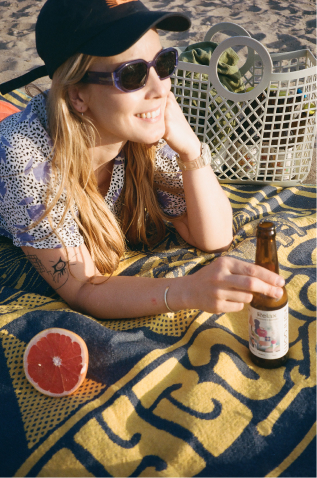
fot. Ola Walków
Wywiad:
Kamila Knap, Shroom: Zaczynamy wywiad z Esterą Mrówką. Jak najlepiej Cię przedstawić? Bo masz wiele pasji i zajawek
Estera Mrówka: Cześć, jestem Estera Mrówka. Zajmuję się sztuką wizualną, a oprócz tego pasjonuję się sportami deskowymi.
Estera jest skaterką i chyba jedną z pierwszych przedstawicielek tego sportu na krakowskiej scenie.
Ciekawe, można by to jakoś zbadać. Pewnie jedną z pierwszych, były na pewno jeszcze inne jeżdżące dziewczyny, ale pewnie jakoś się odznaczam na tym poletku.
Od pierwszego spotkania w 2008 zapamiętałam Cię z deskorolką w ręce.
Tak, to moja pasja, chociaż teraz pewnie bardziej snowboard. Taka fajna forma przewietrzenia głowy i moje miejsce w rzeczywistości.
Estera, jesteś osobą łączącą wiele pasji w życiu, w sobie: pasję do sztuki, do sztuk wizualnych, do tworzenia, do sportu, i do ludzi, bo ty przecież lubisz ludzi.
Lubię ludzi, tak. Myślę, że dlatego się odnajduję też w pracy nauczyciela bardzo.
Sport jako reset
To niezwykłe lubić ludzi.
To niezwykłe lubić ludzi, tak. W nadmiarze muszę to regulować i też lubię być sama ze sobą. Staram się to balansować. Kiedy to reguluję, to rzeczywiście mam taką wyrozumiałość do człowieka. Człowiek, który porobi błędy cieplej spogląda na błędy innych.
Chciałam zapytać Cię o balans życiowy. O Twoje sposoby na dbanie o siebie w pędzącym świecie. Jak, mając pasję, aktywne życie towarzyskie i pracę, odnajdujesz równowagę?
To nie jest proste. Muszę przyznać, że łapiesz mnie w momencie, w którym czuję się mocno przebodźcowana i przytłoczona. Jestem właśnie w procesie szukania rozwiązań. Na pewno bardzo ważny jest dla mnie sport oraz regularne wyjazdy poza miasto. Mam tu na myśli głównie snowboard – takie wyjazdy mentalnie mnie resetują. Proste rzeczy: głupie żarty, lekkość, swoboda, bardzo mnie relaksują. Do tego dochodzi pełne skupienie, które pojawia się podczas uprawiania sportu. Mam wrażenie, że każdy może znaleźć formę ruchu, która będzie odpowiadała jego potrzebom i możliwościom. Dla mnie sport i związane z nim wyjazdy poza miasto są kluczowym elementem regeneracji. A oprócz tego – klasyka: sen od 23.00 i dobre jedzenie.
Co masz na myśli, mówiąc „dobre jedzenie”? Gotujesz sama? Znajdujesz na to przestrzeń w ciągu dnia?
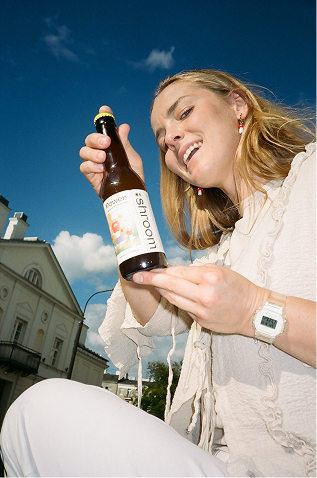
Staram się, bo to jest zdrowsze i po prostu lepsze dla mnie. Ale reguluję się też samą przyjemnością jedzenia – dobrymi smakami, przyprawami. Zwracam uwagę na to, co jem i jak jem. Szczególnie ważne są dla mnie śniadania i długie poranki, kiedy mogę spokojnie zjeść, wypić wodę z cytryną. To jest dla mnie prawdziwa jakość życia. Potem druga runda – kawka, a czasem nawet Shroomik Power.
Sztuka syntezy
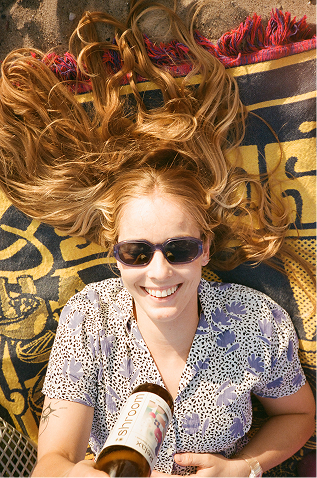
Fot. Ola Walków
A poza Shroomikiem – gdy potrzebujesz sobie dodać energii – co robisz? Masz swoją sprawdzoną metodę na wzmocnienie się mentalnie i fizycznie?
Mam ich kilka. Na pewno dużo mówię do siebie. I tutaj mała uwaga – osoby New Age’owe pewnie mi przyklasną. Staram się mówić do siebie dobrze.
Myślę o tym, ile rzeczy już mi się udało, przypominam sobie sukcesy. Mówię sobie: skoro wtedy się udało, to może teraz też. Albo przynajmniej warto spróbować.
Świadomie buduję wobec siebie wspierającą narrację i to mnie naprawdę wzmacnia.
To podobno jedna z najskuteczniejszych metod – unikanie negatywnego self-talku.
Nie, to też się zdarza. Cóż, to się po prostu zdarza. Ale dużo lepiej radzę sobie już z negatywnym dialogiem wewnętrznym, z takim autodojazdem. Zmiana narracji w głowie przyniosła mi bardzo dobre efekty – nie tylko mentalnie, ale w ogóle w życiu. To była duża zmiana.
Czy to od początku była świadoma praktyka z Twojej strony?
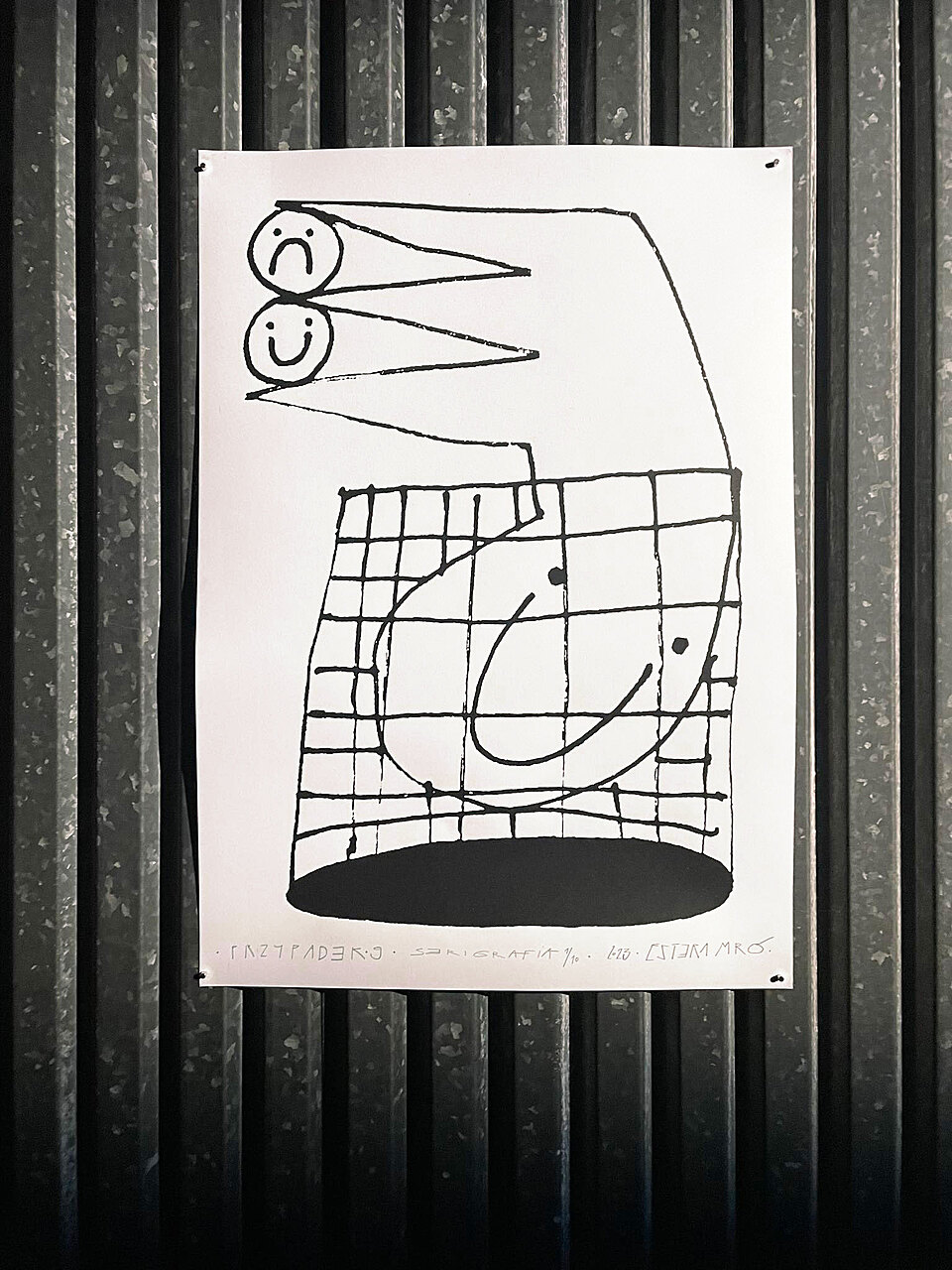
Tak, zdecydowanie. Zbierałam różne doświadczenia. Najpierw te związane z jogą, później z medytacją. Były też obozy medytacyjne – odosobnienie bardzo dobrze na mnie działa. Wyciszenie i obniżenie liczby bodźców są mi bardzo potrzebne. Moja sztuka też trochę o tym mówi – o syntezie, o łagodzeniu, o uspokajającym działaniu formy. Jeżeli mam jasno określoną formę, to ona mnie wspiera, bo wiem, co mam robić. Nie muszę się zastanawiać nad strukturą – prostota daje mi spokój. Tak jak Steve Jobs nosił codziennie to samo, tak ja – czy w sztuce, czy w życiu – staram się upraszczać rytuały i decyzje. Lubię ograniczenie, syntezę, czystość. To mnie uspokaja i pomaga mi funkcjonować.
Lubię ograniczenie, syntezę, czystość. To mnie uspokaja i pomaga funkcjonować
Bardzo czuć teI to widać też w przestrzeni, o którą bardzo dbasz.
Tak, to jest ze sobą mocno powiązane. Jakiś czas temu dostałam profesjonalną diagnozę ADHD i wiele rzeczy po prostu się wyjaśniło. Nie traktuję tego jako wymówki ani usprawiedliwienia. To raczej informacja zwrotna od rzeczywistości, która pomaga mi lepiej rozumieć, jak funkcjonuję. Porządek to nie jest u mnie estetyczna fanaberia, tylko realna potrzeba mojego mózgu. On bardzo szybko pracuje, „biega”, a w czystej, uporządkowanej przestrzeni czuję się spokojniej i łatwiej mi ogarnąć codzienność.
Gratuluję diagnozy! Ostatecznie ma właśnie pomóc lepiej funkcjonować. To nowe rozdanie, a nie game over.
Dokładnie. Wiesz: to mogę, tego nie mogę – i dzięki temu łatwiej iść do przodu. Jest też mniej obwiniania się. Wiem, jak lepiej sobie ze sobą radzić. Oczywiście są osoby, które używają diagnozy jako wymówki: „mam ADHD, więc mogę się spóźnić”. U mnie to działa odwrotnie. Skoro mam ADHD, to muszę wyjść wcześniej, bo wiem, że mogę stracić poczucie czasu. Muszę mieć zegarek, system, strukturę. To jest odpowiedzialność, a nie taryfa ulgowa.
Gdzie na co dzień szukasz inspiracji?
Różnie. Dużo obserwuję sztuki, ale mam też poczucie, że inspiracje same do mnie przychodzą.
Zbieram je jak nadajnik – słucham, oglądam, rozmawiam z ludźmi, obserwuję siebie. I bardzo często pomysł pojawia się w trakcie rutynowych czynności. Muszę go wtedy natychmiast zapisać. To klasyczny proces – inkubacja, a potem nagłe olśnienie. Mózg coś przerobił w tle i nagle „klik”. Bardzo to lubię.
Ten, moment, w którym podświadomość dochodzi do głosu, jest fascynujący.
I potrafi obudzić Cię nad ranem.
Wczoraj dokładnie tak miałam. Formalny, ważny deadline, składający się z dwóch kroków. Byłam przekonana, że wszystko mam odhaczone. A wieczorem poderwałam się na równe nogi, bo zorientowałam się, że zrobiłam tylko pierwszy etap, a drugi kompletnie wypadł mi z głowy i nastąpił szybki powrót do komputera. To teraz pytanie z gatunku tych górnolotnych: czy Twoim zdaniem świat zmierza w dobrą czy złą stronę?
To zależy, czyj świat mamy na myśli.
Świat według Estery Mrówki.
Żyję nadzieją. Jestem osobą, która naprawdę ma w sobie dużo nadziei. Widzę wokół siebie wiele dobrych przykładów i wartościowych ludzi, którymi staram się otaczać.
Mam wrażenie, że rośnie społeczna świadomość – oczywiście w mojej bańce, ale jednak. Z jednej strony docierają do mnie trudne informacje, z drugiej – wierzę, że będzie dobrze. Oczywiście kryzys klimatyczny jest ogromnym problemem, ale jednocześnie w wielu obszarach zachodzą pozytywne zmiany. Jasne, patodeweloperka nie jest korzystnym zjawiskiem i tu na pewno warto walczyć o bardziej opiekuńcze ideały. Ale jednocześnie widzę, że wiele osób zyskało głos, a wielu grupom realnie żyje się dziś lepiej. I to mnie szczerze cieszy. Mam nadzieję, że osobom autystycznym – zwłaszcza kobietom autystycznym – żyje się dziś choć trochę łatwiej. Podobnie osobom z ADHD, które dzięki diagnozie lepiej rozumieją swoje mechanizmy i potrafią „rozkodować” własną głowę. To są małe historie, ale bardzo pocieszające.
Prace artystki
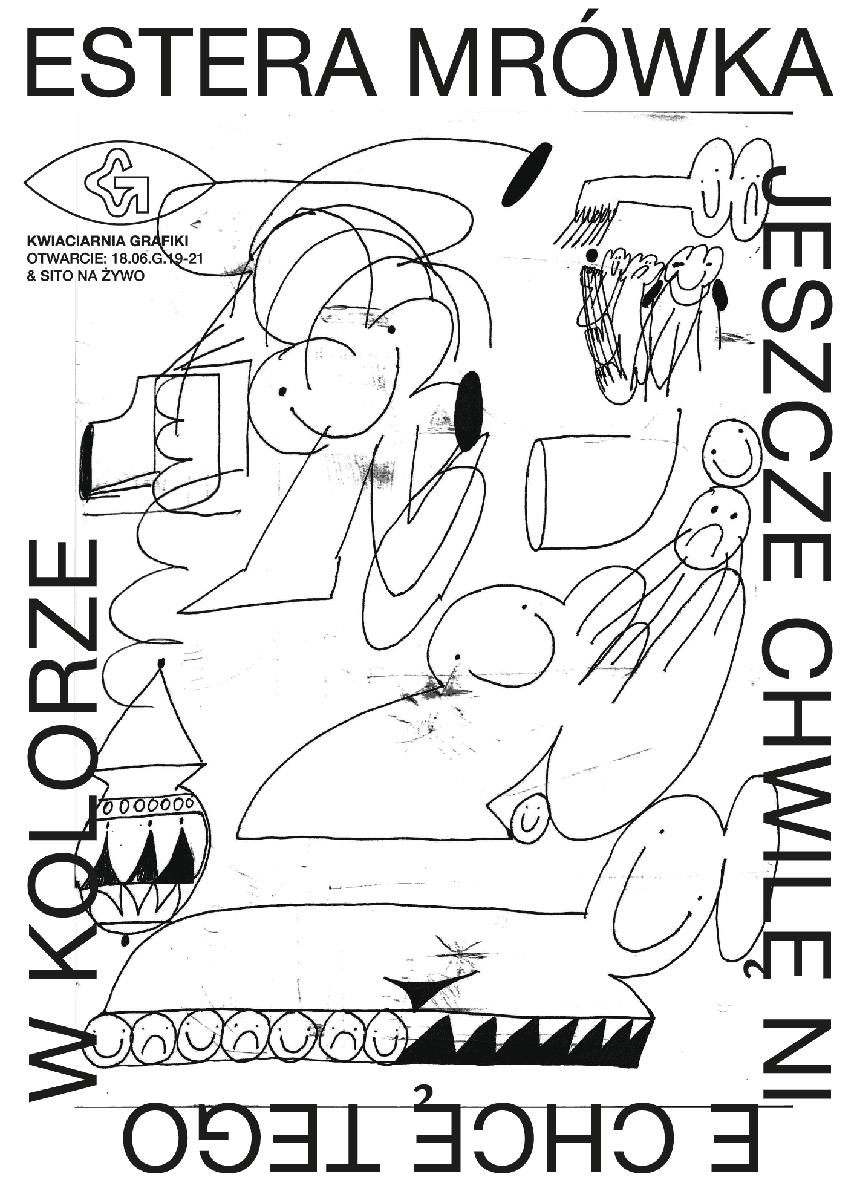
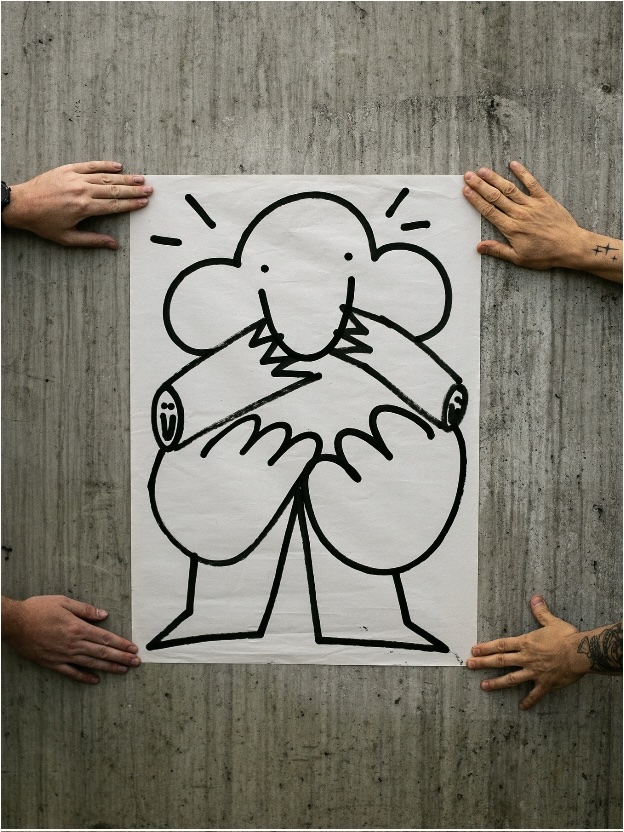
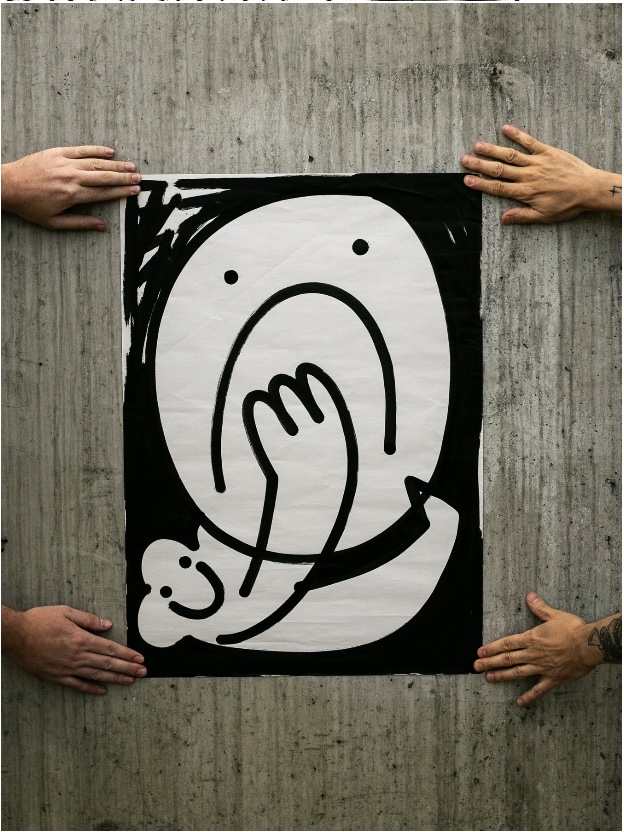
Błędy jako materiał
Czy na Twojej drodze do odnajdywania samej siebie były momenty, które nazwałabyś przełomowymi? Czy to raczej ciągły proces?
Tak, zdecydowanie były takie momenty. Jestem tym typem człowieka, który ma w życiorysie bardzo wyraźne punkty zwrotne. Przeszłam poważne załamanie i musiałam się z niego dosłownie wygrzebywać.
Są osoby, które żyją łagodniej i nie doświadczają takich zderzeń. Ja niestety miałam kilka bardzo mocnych momentów i to właśnie one okazały się najważniejszymi punktami dla rozwoju. Jednym z nich był dyplom. Byłam bardzo dobrą studentką, miałam same piątki, wszyscy byli przekonani, że obrona pójdzie mi gładko. A ja w tym momencie doświadczyłam totalnego zamrożenia. Dopiero później, w procesie samopoznania, zrozumiałam, że niektóre osoby tak reagują na silną presję. Ale to, co wydarzyło się po drodze – zawalenie dyplomu i jego naprawianie – dało mi ogromną wiedzę o samej sobie.
Ostatecznie obroniłam dyplom z powodzeniem, ale wyniosłam z tego doświadczenia coś znacznie cenniejszego. Do dziś korzystam z wiedzy zbudowanej na tamtej porażce i naprawdę się z tego cieszę.
Oczywiście bywa mi przykro, gdy myślę o tym, jak bardzo wtedy wszystko sobie skomplikowałam, ale jednocześnie zbudowałam na tym realną wartość. Dlatego często mówię też moim studentom, że warto przyglądać się błędom nie jak porażkom, ale jak materiałowi do pracy. One naprawdę mają potencjał.
Myślę, że studenci muszą Cię bardzo lubić.
Mam nadzieję, że tak. Oprócz przekazywania wiedzy daję im dużo uważności i ciepła. Jeśli ktoś chce pracować i jest w procesie, na pewno się ze mną dogada.
Czy coś ostatnio Cię wzruszyło albo podniosło na duchu?
Uwielbiam, kiedy ludzie zachowują się ładnie – tak niespodziewanie, bezinteresownie. Przyznam, że mam ostatnio trochę zjedzony mózg przez Instagram, więc pierwsze przykłady przychodzą mi właśnie stamtąd. Ale staram się świadomie obserwować dobre historie.
Na przykład bardzo poruszyła mnie inicjatywa z Wielkiej Brytanii – są tam ławki, przy których dyżurują konsultanci. Jeśli ktoś jest w kryzysie psychicznym, może po prostu usiąść i porozmawiać.
Podobno to rozwiązanie daje świetne efekty, ludzie naprawdę z tego korzystają. Ta prostota i dostępność bardzo mnie wzruszyły.
A gdybyś miała powiedzieć coś od serca naszym grzybiarzom – czy jest jakaś wiadomość od Estery dla czytelników Shrooma?
Ja totalnie kocham Shrooma. Kocham to, że to jest fancy napój, który można pić bez alkoholu, którego nie lubię. To naprawdę wspaniała alternatywa. Niech grzyb robi Wam dobrze w głowie. Ave. To jest piękne, że możemy dbać o siebie w przyjemny sposób.
Ale jako producent nie mogę powiedzieć, że mój napój coś takiego robi, bo law & order
No tak, pilnuj się. Ale ja mogę. 😉
Dzięki Estera!!
Rozmawiała: Kamila Knap
Estera o sobie
Artystka wizualna, absolwentka Grafiki na krakowskiej ASP. Zajmuje się rysunkiem, ilustracją, malarstwem i grafiką warsztatową – szczególnie kocha sitodruk. Jej prace można spotkać w przestrzeni miejskiej. Na co dzień wykłada w Pracowni Sitodruku i Barwienia Tkanin w School of Form (Uniwersytet SWPS). Ma za sobą trzy wystawy indywidualne i udział w festiwalach sitodruku w całej Polsce. Poza pracownią – na desce: skateboard latem, snowboard zimą.