over 250 PLN ✨






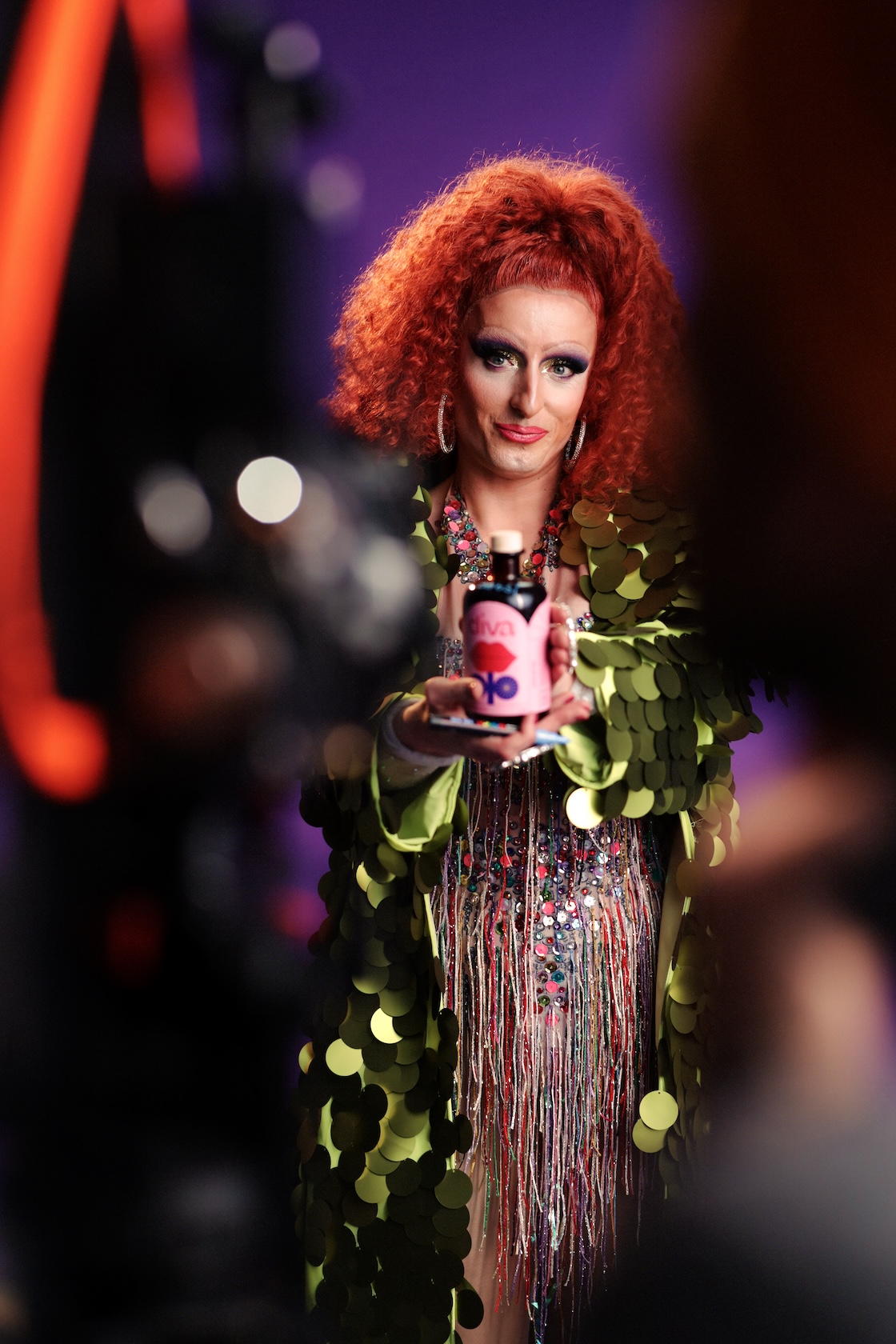
Michał Sienkiewicz
(aka Babsi Bonner)
INSTA: babsi_boner
o życiu od projektu do projektu, coming oucie w wieku 24 lat i walce z kulturą zapierdolu
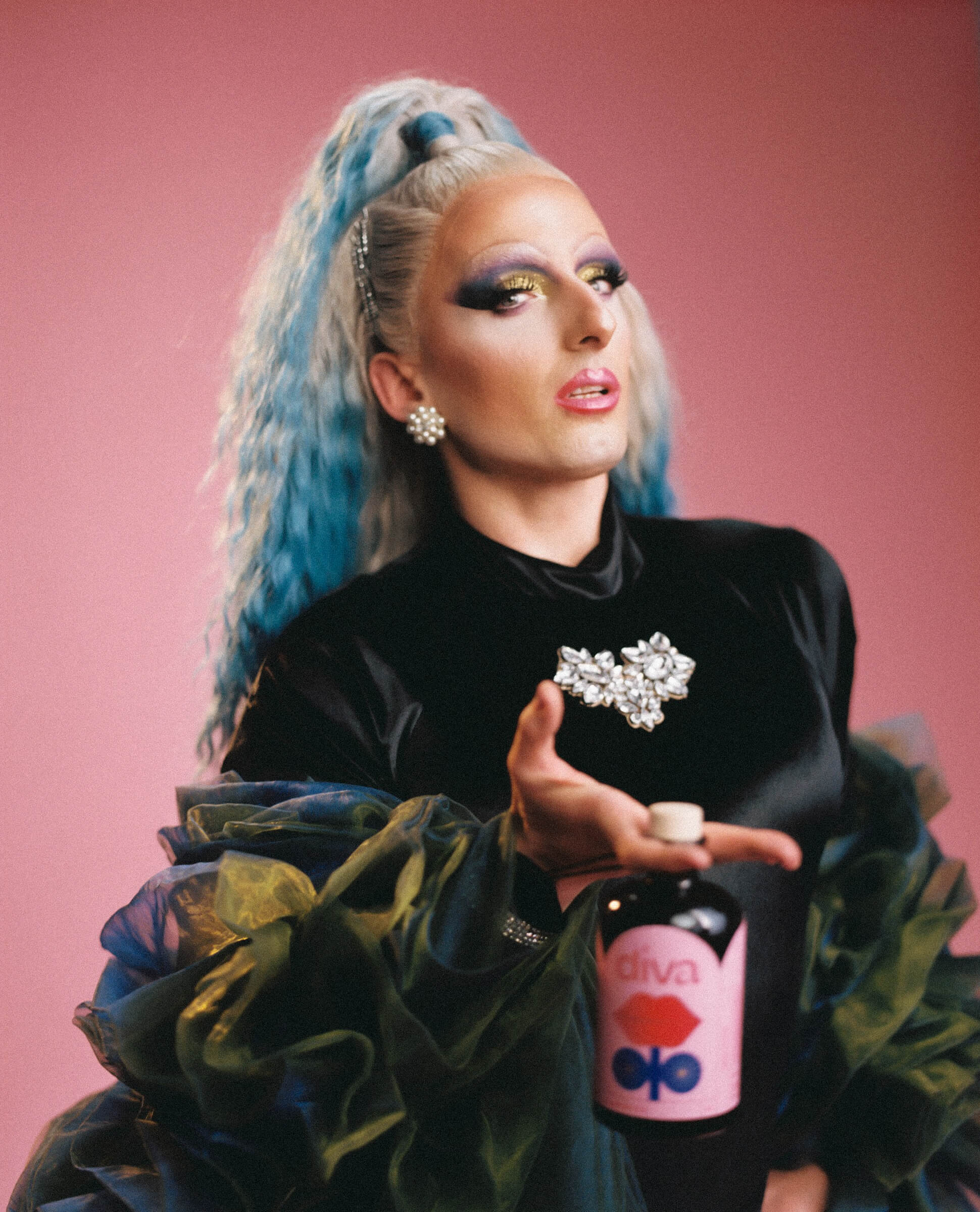
fot. Ola Walków
Wywiad:
Kamila Knap, Shroom: Jak to się wydarzyło, że się z Michała zrobiła babsi boner?
Michał Sienkiewicz:Zaczęło się to jakieś 15 lat temu, kiedy dla żartów nagrywaliśmy filmiki. Miałem współlokatorkę, użyłem jej kosmetyków. Wiadomo, ten make-up wyglądał dosyć krzywo. Jak u wszystkich Chyba, którzy zaczynają przygodę z dragiem. Ubrałem kawałek firanki i nagraliśmy na YouTubie naszą wersję popularnej wtedy reklamy szamponu. Ten filmik dalej jest dostępny na YouTube. Potem powstała seria filmików gotujących, inspirowana oczywiście Magdaleną Gessler. Babsi wtedy była Babsi Eisenhower von Schlafmacht. Babsi pracująca, Austriaczka pracująca w Niemczech w domu starców. Takie było podłoże Babsi. Potem dłuższy czas nic się nie działo. Pojechałem na studia aktorskie do Gdyni, robiłem jakieś projekty teatralne i tak to się zawieruszyło aż do pandemii. Myślę, że pandemia wszystkim dała do wiwatu. Wszyscy zaczęli się zastanawiać, co chcą robić i czy to, co robią, ma sens. No i tak ja zadzwoniłem do Papiny McQueen, która jest moją nieformalną matką, chociaż ona każe na siebie mówić, że jest moją kierowniczką. Umówiliśmy się na make-up, zaczęliśmy rozmawiać. Wysłałem maila do Fundacji Kultura dla Tolerancji, że chciałbym z nimi współpracować. Na początku nic się nie wydarzyło, aż w 2022 Papina do mnie zadzwoniła i powiedziała, że mam trzy tygodnie, żeby się przygotować do rewii drag. Przez Fundację Kultura dla Tolerancji prowadzą show pod tytułem Jedyna Rewia Drag Queen w Polsce. To było pierwsze show Babsi. I Babsi wtedy zmieniła też nazwę. Szukaliśmy z Moimi Przyjaciółmi. Były różne propozycje: Bibusz, Gillette. A w końcu została Bonner. Taki miks trochę francuskiego, trochę od Bonerów, od kamienicy Bonerów w Krakowie, a trochę od wzwodu.
W pandemii (…) wszyscy zaczęliśmy się zastanawiać, co chcemy robić i czy to, co robimy, ma sens.
Ja tak to przeczytałam.
No wiadomo. No specjalnie jest to taka dwuznaczna gra słowem. Miałem też pragnienie bycia niezależnym od machiny teatralnej. W teatrze jesteś w takiej machinie, zwłaszcza w musicalu, Jak w każdej branży, ludzi nie ma za dużo i wszyscy się obracają w jednym towarzystwie. Masz castingi, które wygrywasz albo nie wygrywasz, dostajesz jakąś rolę w zespole. Dalej jesteś w machinie i nie masz wpływu na pewne rzeczy. W dragu jesteś sobie sterem, żeglarzem i okrętem. Nadajesz ton swojej postaci. Sam sobie ją kreujesz od początku do końca. Oczywiście w zależności od funduszy, ale to już inna kwestia.
W dragu sam się kreujesz od początku do końca.
Masz świetne przygotowanie artystyczne, formalne wykształcenie i przede wszystkim umiejętności sceniczne, na pewno to wykorzystałeś, kreując swoją postać.
To na pewno pomogło. Drag jest jednak czymś zupełnie innym. Jeśli chodzi o techniczne aspekty, takie jak chodzenie na szpilkach i tak dalej, to musiałem się uczyć ich od początku. Więc to nie było tak, że po prostu wiedziałem wszystko. Wiem, jak się prezentować na scenie, natomiast prezentowanie się na scenie w kostiumie, ze sztucznym biustem, z peruką, w butach na obcasie, jest dodatkowym wyzwaniem.
Chodzenie na szpili dla każdego jest wyzwaniem.
Tak, jeszcze jak masz tańczyć albo coś robić więcej, to wierz mi, że zaczynamy od takich małych czacza heels, takich pięciocentymetrowych.
Wierzę, bo miałam kiedyś fazę na obcasy, ale ostatni raz na dłużej niż godzinę ubrałam je z dziesięć lat temu. Mam jedną awaryjną parę, którą ubieram do eleganckiego siedzenia.
Zawsze jak chodzę w szpilkach zaczynają mnie boleć stopy i nogi. Szpilki to patriarchalny wymysł. Zawsze wam, kobietom, wtedy współczuję i mówię, że to jest straszne i że to tak nie powinno być. Rozumiem wasze cierpienie. I rozumiem też, czemu dziewczyny zmieniają buty na weselu. Ale te szpilki, pomijając niewygodę, są też symbolem kobiecości i służą temu, żeby wydłużyć nogi. Dają iluzję kobiecości, którą chcę uzyskać. Wydłużają nogę, inaczej się chodzi, wypycha tyłek, więc jest wiele rzeczy, które dodają.
Kobiecość kojarzyła mi się z wolnością, przede wszystkim wolnością emocjonalną.
Inspiracje
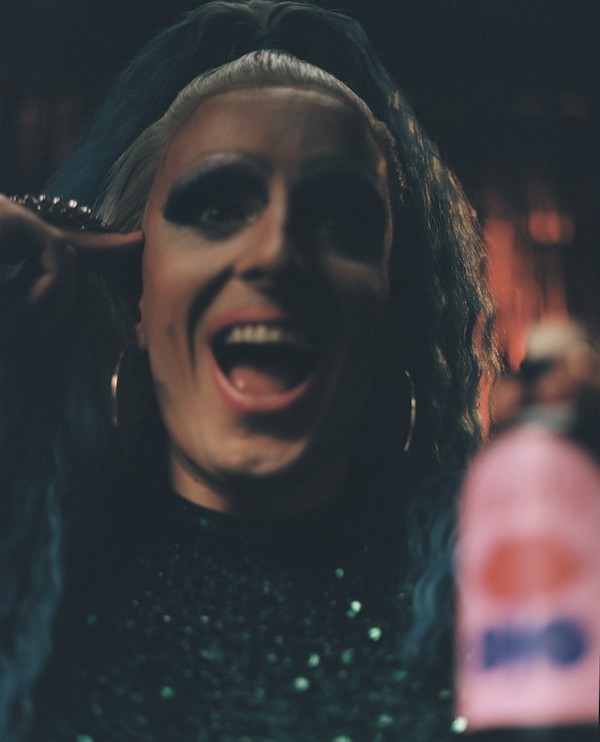
Fot. Ola Walków
A czy miałeś jakieś mocne inspiracje? Jakie kobiety zainspirowały Twoją postać?
Zawsze się nad tym zastanawiałem. Myślę, że przez całe życie inspirowały mnie kobiety i że Babsi jest w pewnym sensie laurką dla kobiecości. Zostałem wychowany przez dwie kobiety, które świetnie radziły sobie w życiu i potrafiły ogarnąć rodzinę oraz dom.
Tak jak moja matka, która kupiła pół kamienicy, zaryzykowała, zapewniła nam byt i nie potrzebowała mężczyzny do tego, żeby to zrobić. Jeśli chodzi o drag, to najbardziej kocham Sashę Velour i uważam, że jest wspaniała – zarówno pod względem estetyki, jak i poziomu scenicznego. Byłem na jej show w Krakowie. To jest dla mnie ikona, do której chciałbym kiedyś dorównać.
Poza tym kobiety zawsze wydawały mi się ciekawsze – czy w filmach, czy w muzyce, czy w komiksach. W postaciach kobiecych jest większa złożoność emocjonalna. Potrafią być delikatne i mocne jednocześnie. To jest moja główna inspiracja. Kobiecość kojarzyła mi się z wolnością, przede wszystkim wolnością emocjonalną.
Czasem musisz po prostu zwolnić.
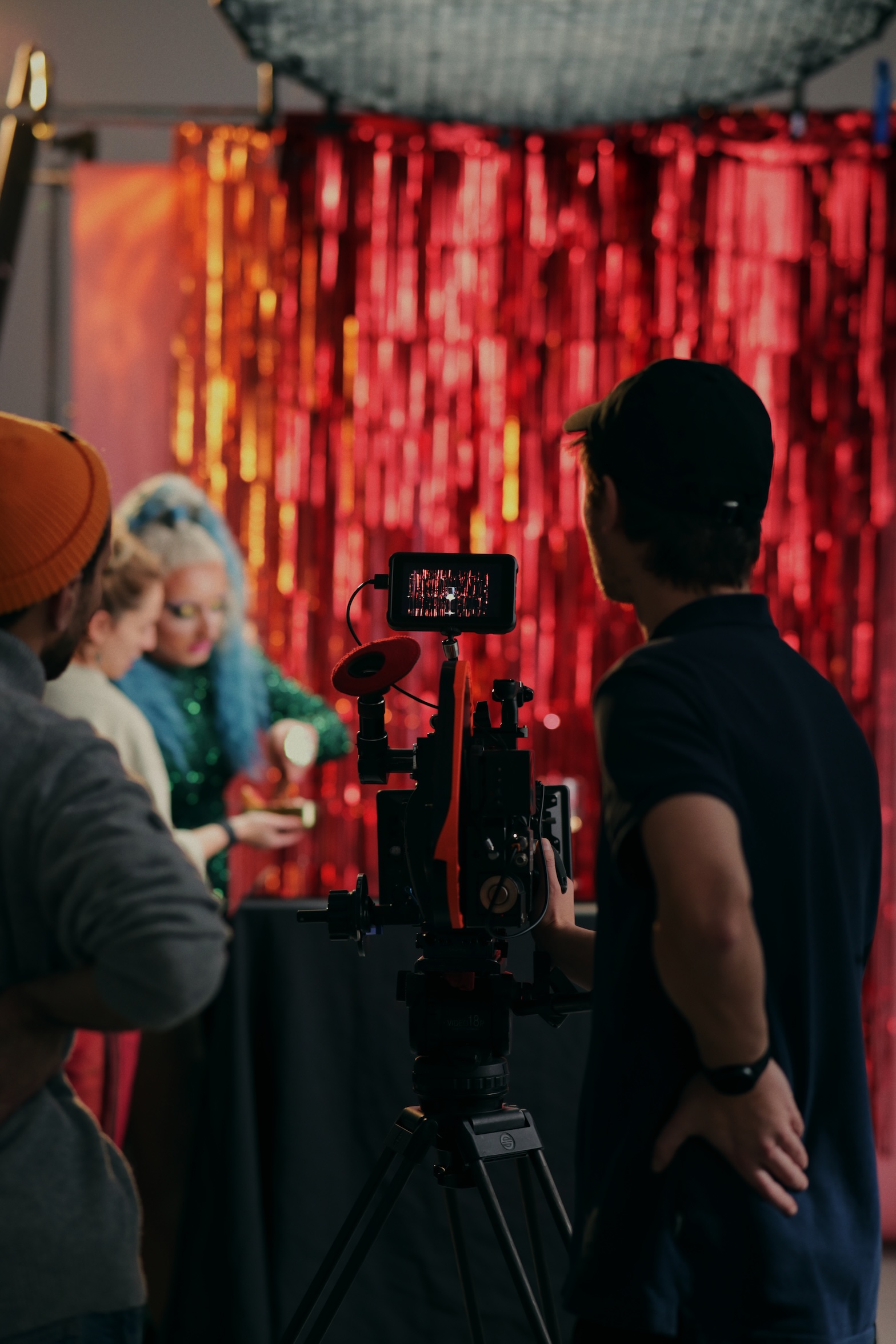
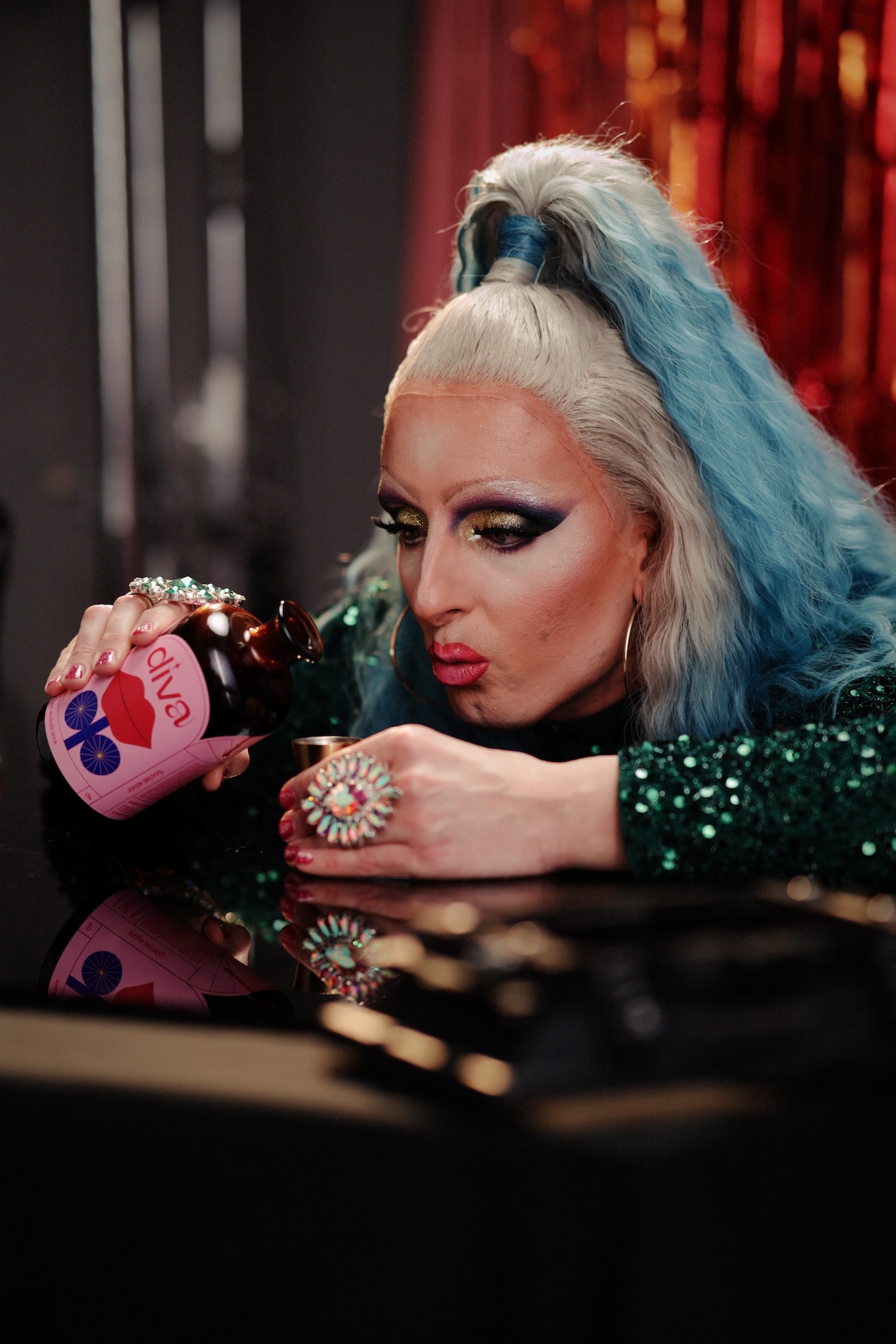
Behind the scenes reklama Diva Social Elixir
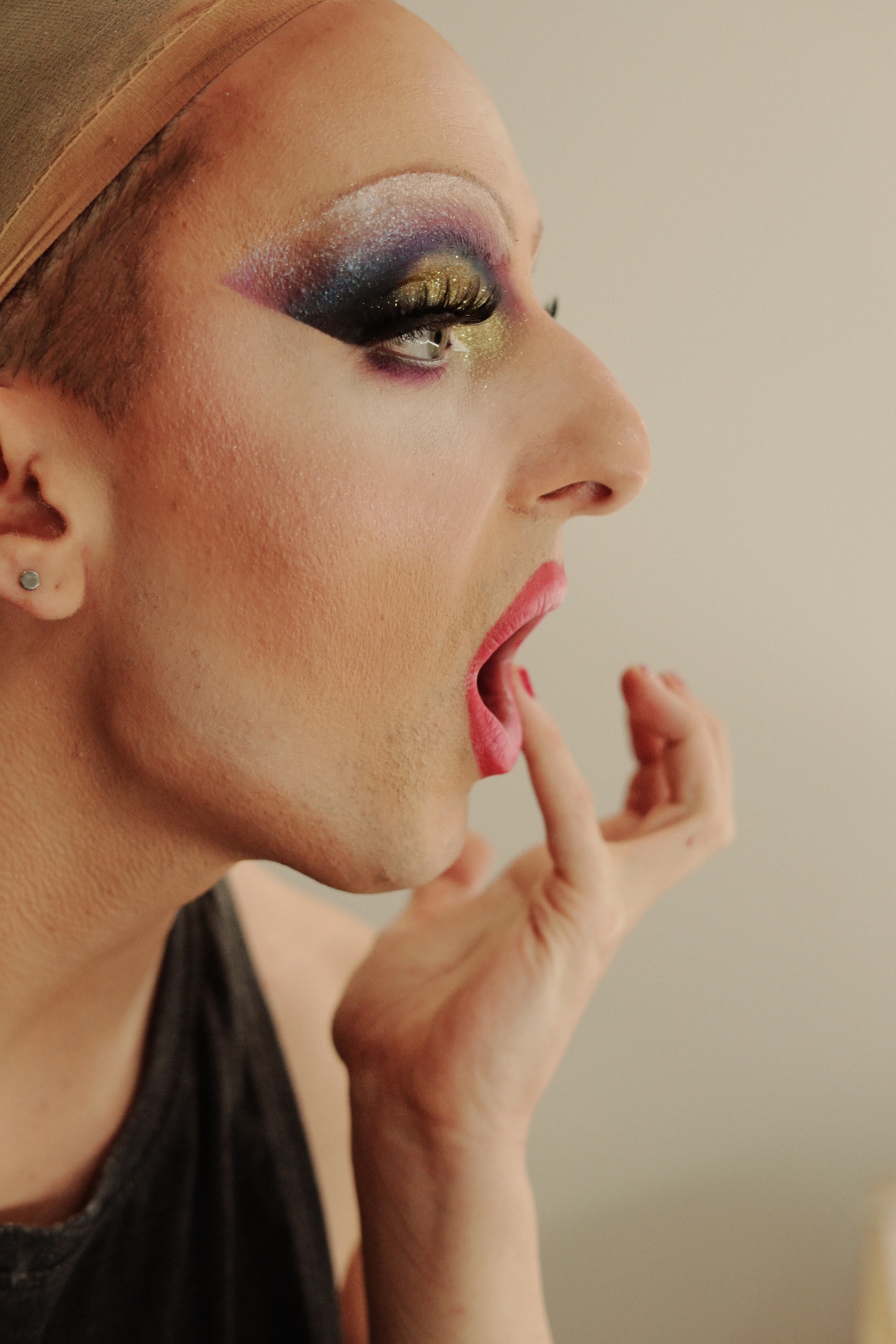

Otoczenie
Historycznie to kobiety to były właśnie wpychane w ten sztywny gorset różnych obowiązków i postaw.
Wpychane, ale bardzo często podejmowały z tym walkę. Starały się udowodnić, że wcale tak nie jest. Teraz zbieramy tego żniwo – możemy odcinać kupony, chociaż oczywiście pojawiają się też nowe problemy.
Jestem blisko środowisk feministycznych i mam mocno feministyczne poglądy, natomiast jestem też starszą siostrą dla czterech młodszych braci i widzę jak bardzo zagubieni w ciągle głównie patriarchalnej narracji są młodzi chłopcy.
Oczywiście, że tak. To jest powiązane z kryzysem męskości i z tym, że mężczyzn również wtłacza się w bardzo sztywne role. Są jakieś ramy: mężczyzna ma się zachowywać tak, a nie inaczej, ma być twardy, a nie miękki.
Z jakim odbiorem spotkałeś się – zarówno w najbliższym otoczeniu, jak i w tym dalszym? Czy początki były trudne?
To była bardzo przyjemna droga. Muszę powiedzieć, że jako aktor Michał Sienkiewicz nigdy nie doświadczyłem takiego wylewu radości, podziwu i akceptacji, jak przy Babsi. Zupełnie się tego nie spodziewałem.
Spłynęło na mnie bardzo dużo dobrych emocji i to było – i dalej jest – piękne. Wszyscy z mojego najbliższego otoczenia przyjęli to jako coś naturalnego. Jakby znali Babsi wcześniej z różnych odsłon i mówili: „to jest dokładnie ta droga”. Dostałem tylko potwierdzenie, że dobrze, że to robię.
Super, bardzo fajnie to słyszeć. Czy można powiedzieć, że ludzie są głodni postaci, które przełamują tradycyjne role?
Szukają przełamywania tabu i radości. Babsi jest taką kulą radości i wolności. Jest słodka, ale potrafi być też shady. To wszystko się w niej łączy – merge wielu różnych cech w jednej postaci.
I to nie jest wyłącznie aktorska kreacja. Oczywiście korzystam z różnych środków aktorskich, ale robię to w sposób naturalny. To jest coś, co wypływa ze mnie. To jest część mnie. Babsi nie jest postacią budowaną na zasadzie dziennika postaci. To raczej odpowiedź na pytanie: jak Michał zachowywałby się bez narzuconych konwenansów i granic.
To jest uwalniające. I myślę, że ludzie to czują. Dlatego ich to cieszy, jara i dlatego chcą przebywać z Babsi.
Droga artystyczna to jest życie od projektu do projektu
Mam bardzo przyziemne pytanie. Wiem, że wróciłeś na studia i zaczynasz nowy kierunek życia zawodowego. Jak to jest żyć ze sztuki? I z czym to się wiąże?
Ciężko. Będę szczery. Mam jedną czwartą etatu w knajpie Nowa Prowincja w Krakowie. To jest taka jedna czwarta etatu, która sprawia, że jednym palcem stopy stoję na ziemi. Jestem trochę uziemiony – mam ubezpieczenie, coś tam się odkłada na emeryturę, chociaż niespecjalnie w nią wierzę.
Droga artystyczna to jest życie od projektu do projektu. Czasem robi się projekty, z których nie ma pieniędzy, ale są rozwojowe. A to, co jest pomiędzy, to jest takie życieńko, szara rzeczywistość. Studia robię z dwóch powodów: jako zabezpieczenie, żeby zdobyć nowe umiejętności, ale też dlatego, że chciałbym mieć tytuł magistra – tak po prostu, dla siebie.
Jak w tym wszystkim łapiesz balans życiowy? Jak nie zwariować w tym artystycznym, projektowym życiu?
Nie będę oryginalny. Wysypianie się osiem godzin, do tego ruch – joga albo ćwiczenia. Bardzo ważne jest też łapanie dystansu do kultury zapierdolu, którą, umówmy się, mamy w Polsce bardzo mocną. Cały czas trzeba coś robić.
Mam wrażenie, że rządzi nami jakaś grupa trzymających władzę ADHD-owców (śmiech). Czasem trzeba po prostu zwolnić. Dobrze jest znaleźć dla siebie czas na odpoczynek. Kiedy skończę jakiś projekt, daję sobie nagrodę – na przykład wyjeżdżam na tydzień gdziekolwiek, żeby to wszystko przetworzyć, uspokoić się i wrócić z nową energią.
Potrzebuję czasem nie myśleć o niczym, nie analizować, czego jeszcze nie zrobiłem albo co muszę zrobić. Po prostu być tu i teraz. Wiem, że to brzmi wyświechtanie, ale to jest dla mnie naprawdę bardzo ważne.
Teoretycznie wszyscy to wiedzą, ale pytanie, ile osób faktycznie potrafi się osadzić w teraźniejszości i odpocząć. To jest sztuka sama w sobie.
Wyjazd na Erasmusa dał mi coś takiego. Jesteś w obcym kraju, mówisz innym językiem, uczysz się funkcjonowania od nowa. Skupiasz się na tym, co tu i teraz: gdzie kupić chleb, dobry chleb w Portugalii, gdzie napić się kawy, gdzie zjeść ciastko. Naprawdę najprostsze rzeczy.
Do tego dochodzi komunikacja – musisz mówić po angielsku, czasem szukać portugalskich słów. To zmienia sposób myślenia. Na początku miałem takie poczucie, że tracę swoją tożsamość. W Polsce mam swoje życie: drag, aktorstwo, knajpę, do której mogę wrócić. A tu nagle tego nie ma.
Pojawia się pytanie: czy próbujesz budować to na nowo, czy odpuszczasz. Ja jestem za odpuszczaniem. Na początku czułem, że straciłem swoje narzędzia – rzeczy, które dają mi pewność siebie i energię. Ale potem pomyślałem: dobra, tu jest inaczej. Tu jestem studentem. Mam się skupić na tym, co jest teraz.
To nie jest tak, że tracę tę tożsamość. Wiem, że ją odzyskam, bo wrócę. Chociaż nigdy nie wiadomo.
Miałem nawet pomysł, żeby zabrać ze sobą Babsi, spakować ją do walizki. Ale drag to ogromna logistyka: peruki, make-upy, piersi, pady bioder. Robi się z tego naprawdę duże zamieszanie.
Ten ostatni powrót do Portugalii był bardzo wyczekiwany. Pobyt w Polsce dał mi mocno w kość – zdrowotnie i przez intensywność wszystkiego. Było tego po prostu za dużo. Cieszyłem się, że mogę wrócić i po prostu odetchnąć.
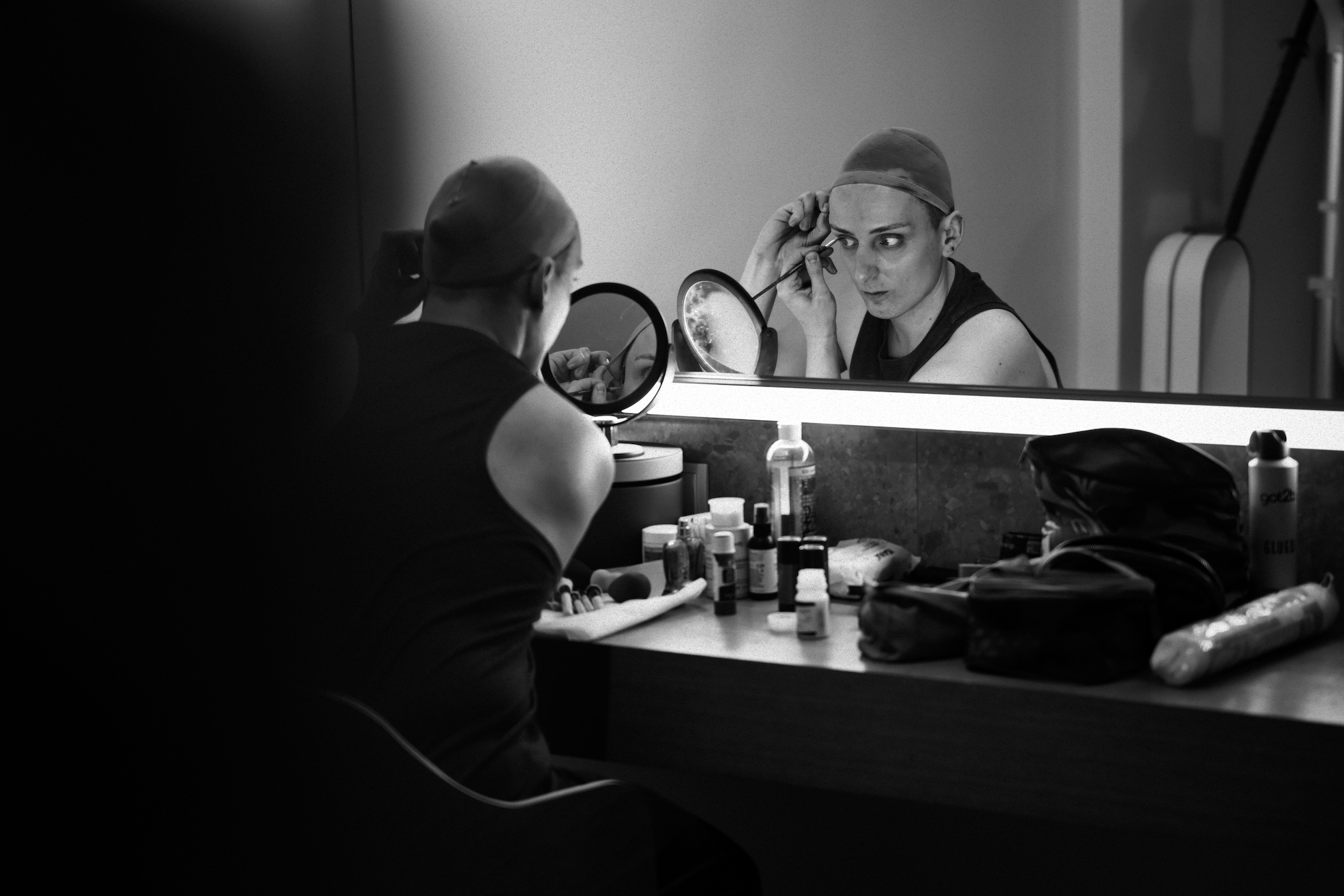
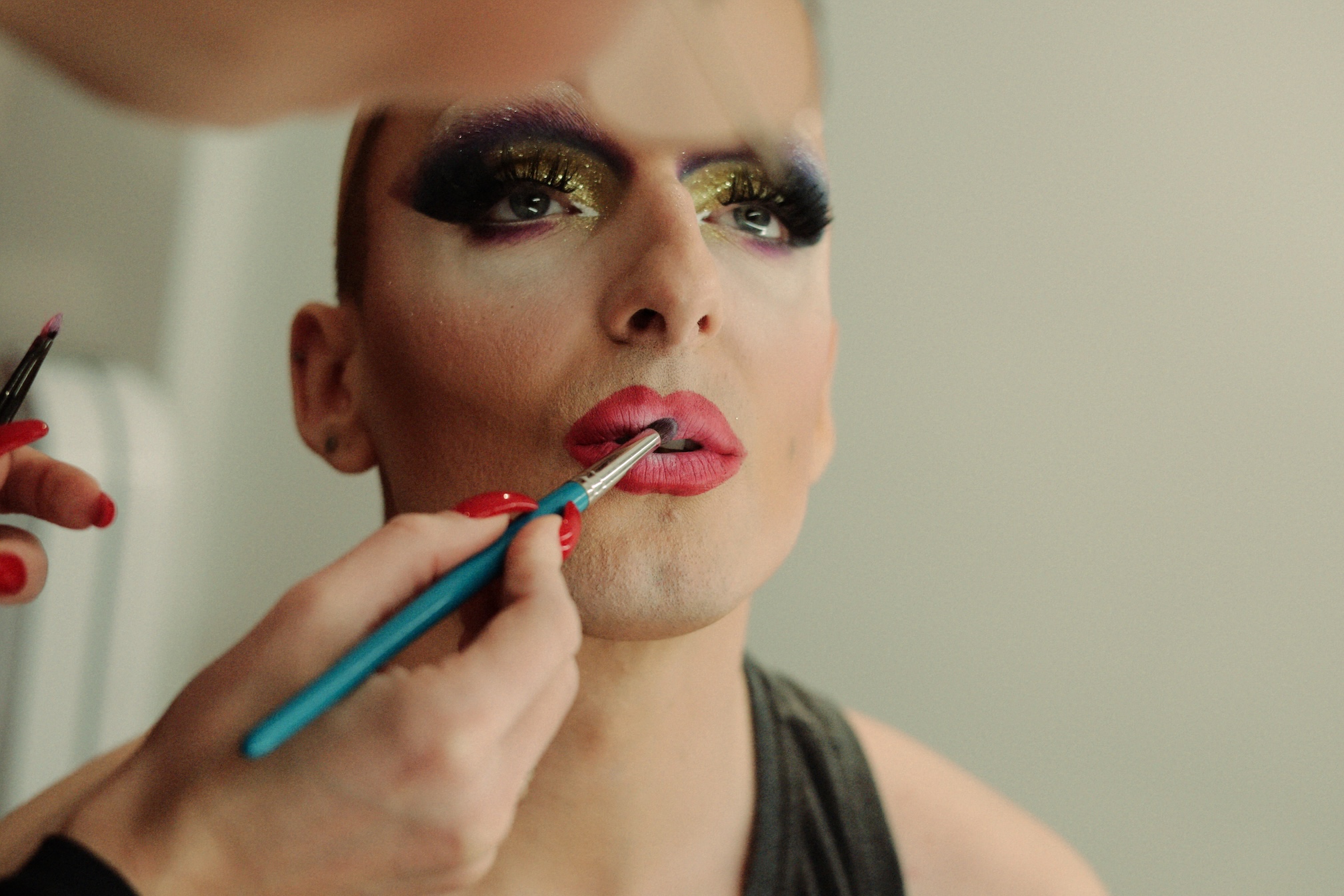
Behind the scenes reklama Diva Social Elixir

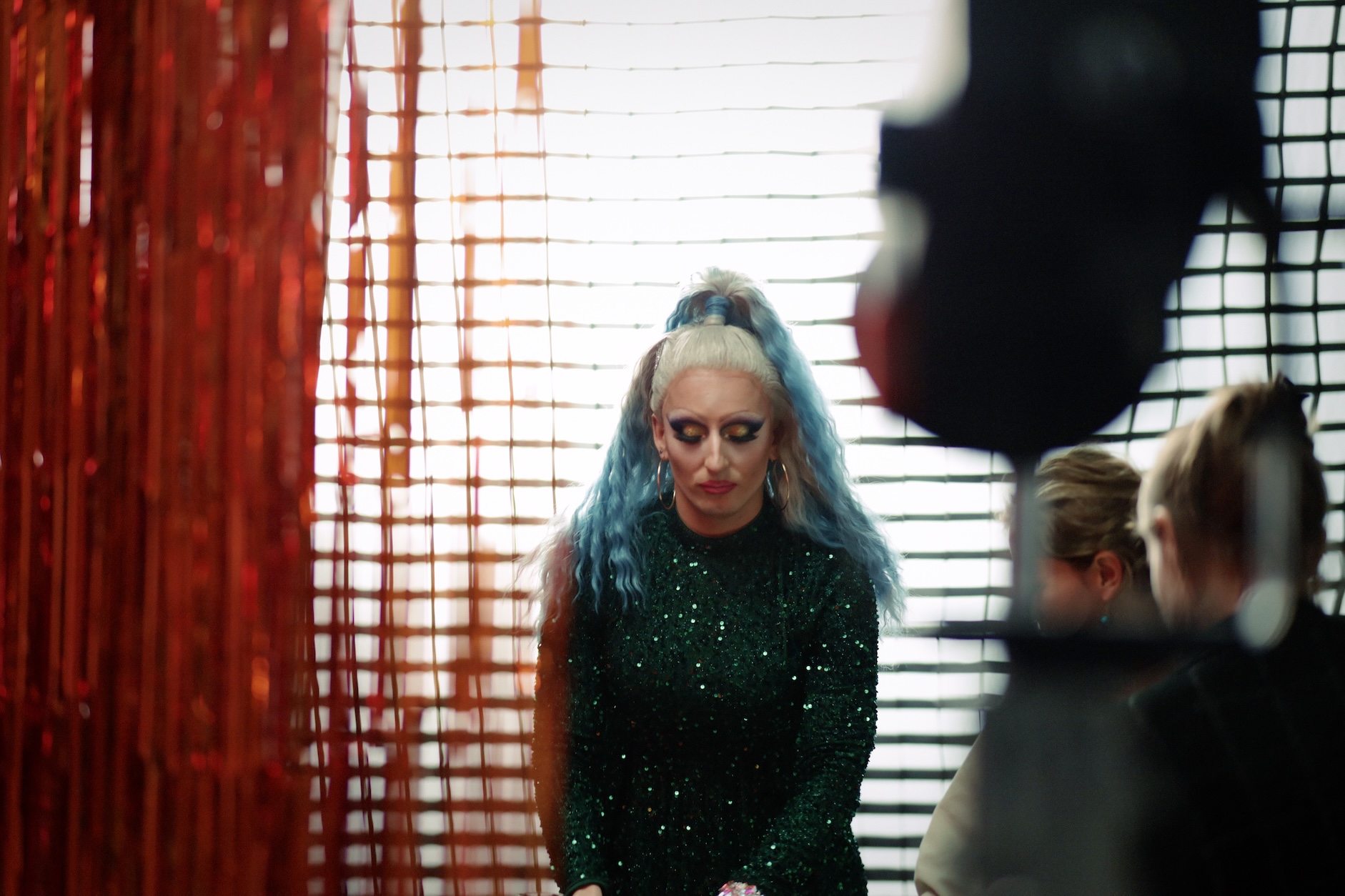
Czy oprócz pandemii były na Twojej drodze jakieś punkty przełomowe, które szczególnie Cię ukształtowały?
Biorę to, co życie mi przynosi – a czasem nie biorę. Po to jest życie, żeby próbować.
To był raczej płynny proces. Staram się iść z prądem. Biorę to, co życie mi przynosi – a czasem nie biorę. Po to jest życie, żeby próbować. Czasem się udaje, a czasem mówi się „trudno” i próbuje się czegoś innego.
Myślę, że w moim zawodzie trzeba mieć takie podejście. Często na pierwszy rzut oka coś ci nie pasuje – jakaś rola, wydarzenie, projekt. Nie czujesz się z tym do końca komfortowo, ale potem mówię sobie: dobra, wskakuj. Zobaczysz. Jak coś, zawsze da się to przekuć na dobrą monetę.
Tak było na przykład ze Shroomem. Zadzwoniłyście, a ja miałem z jednej strony „dobra”, a z drugiej milion myśli: co to będzie, Babsi nie jest modelką, nie mam kostiumu. Pojawia się ten wewnętrzny głos, który mówi: „to się nie uda”. To jest dokładnie to, co w RuPaul’s Drag Race nazywają inner saboteur – wewnętrznym sabotażystą.
Masz wątpliwości, wchodzisz w coś, nagle się udaje. Udowodniłeś sobie, że potrafisz, więc idziesz krok dalej.
Te negatywne głosy zazwyczaj mówią do nas głośniej niż te pozytywne
Tak, są bardziej kategoryczne. Ale w takich procesach fajne jest to, że masz wątpliwości, wchodzisz w coś, nagle się udaje. Pojawia się ulga oraz spełnienie, bo widzisz, że wszystko poszło dobrze. Udowodniłeś sobie, że potrafisz, więc idziesz krok dalej.
Po chwili myślę, że jednak były momenty przełomowe. Coming out na pewno był jednym z nich, badanie swojej seksualności, tego, jak czuję się w świecie.
Miałem dosyć późny coming out. Miałem 24 lata, to był 2010 rok. Mimo że wcześniej były sygnały, żyliśmy w takich czasach, że słowo „pedał” funkcjonowało głównie jako inwektywa. Nikt nie tłumaczył, co to właściwie znaczy, że to jest okej, że możesz kochać osobę tej samej płci.
To była wewnętrzna walka. I wtedy pojawiła się taka szczątkowa Babsi – ta kobieca strona mogła się uwolnić, znalazła podatny grunt. A potem to już poszło dalej.
Na studiach aktorskich też było sporo walki. Walki takiej, że skoro jesteś aktorem i facetem, to musisz grać w określony sposób. Z czym ja się do końca nie zgadzałem. Nie uważam, że narzucanie sposobu zachowania jest czymś właściwym. To jest projekcja osoby, która to narzuca.
ważne jest znalezienie złotego środka, by zagrać coś z przekonaniem i zgodnie z samym sobą.
Ktoś mówi ci: masz być mężczyzną, masz się nie uśmiechać, masz być twardy, siedzieć z papierosem i być obrażonym na cały świat, bo to jest męskie. A ja mam inną definicję męskości. Więc ważne jest znalezienie złotego środka, by zagrać coś z przekonaniem i zgodnie z samym sobą.
Kobiety bardzo się uwolniły, a część mężczyzn zostało trochę z tym wkurzonym, maczo-wzorem.
Tak, i często faceci robią to sobie sami. U mnie prowadzący zajęcia był facetem, więc projektował swoją wizję męskości na nas. Każdy jest innym człowiekiem. Niech każdy zachowuje się tak, jak czuje. Babsi bardzo mi pomogła mi w drodze do uwolnienia i nadal pomaga – także w zawodzie aktora. Uwolniła zasoby, z których mogę korzystać. Daje mi dystans, zabawę i lekkość.
Babsi to na pewno nie koniec. Mam w sobie poczucie misyjności. Chciałbym działać w temacie normalizacji seksu w Polsce, bo to wciąż temat tabu. Wychowuje się nas przez wstyd. Wstyd połączony z religią jest wszędzie. Cały czas słyszysz: „nie wypada”, „co ludzie powiedzą”, „tak nie wolno”. To jest narzędzie wychowawcze. Wstyd towarzyszy nam praktycznie na każdym kroku. Dlatego uważam, że drag w połączeniu z tematami seksu i cielesności może bardzo dużo odczarować. W Polsce przez długi czas jedyną akceptowalną formą dragu była postać w rodzaju Genowefy Pigwy – facet owinięty chustą, wszystko z przymrużeniem oka. Teraz mamy na przykład Mateusza Glenna, „naszą ciotkę” z Instagrama. To jest taki drag „w połowie” – widać, że to facet, to jest bezpieczne, bo nie burzy iluzji do końca. Gdyby to była pełna iluzja kobiety, wiele osób nie wiedziałoby, o co chodzi. Po co, dlaczego – to ich konfrontuje. To jest niesamowite w naszym społeczeństwie.
Mam wrażenie, że Polacy są dużo bardziej liberalni niż politycy.
Ja to widzę na show. Przychodzi bardzo dużo publiczności 50+. Widzę, jak ci ludzie się bawią. Potem podchodzi do mnie na przykład żona z mężem i mówi, że mąż jest radnym w jakiejś gminie pod Białymstokiem. Że pierwszy raz był na dragu, że mu się bardzo podobało, oczy mu się świeciły.
I nagle widzisz faceta, który po prostu dobrze się bawi. I o to w tym chodzi. Drag jest o zabawie. O tym, żeby ludzie poczuli luz, wyluzowali się, doświadczyli prawdziwej rozrywki.
Drag to drogi sport
Jakie wyzwania napotkałeś na swojej drodze?
Muszę jeszcze powiedzieć jedną rzecz, która wcześniej nie padła – drag jest bardzo drogi. Umówmy się – pieniędzy z dragu w Polsce się nie ma. Jeśli jakaś drag queen reprezentuje wysoki poziom, to bardzo często ma inną, dobrze płatną pracę – w korporacji, we własnej knajpie, czyli posiada jakiś inny swój kapitał.
To jest drogi sport. Make-upy, kostiumy, buty, peruki, ich czesanie – to idzie w tysiące złotych. Wygląd kosztuje. Ja na razie radzę sobie dzięki znajomym, i ich pomocy. To taka praca zespołowa – kreatywny team i dziękuję i za to po stokroć.
Drag to też ogromna logistyka. To nie jest tak, że wszystko ogarniasz sam. Szycie, konstrukcja kostiumów – do tego trzeba mieć czas i umiejętności. A drag to jeszcze inny poziom, bo te rzeczy muszą się trzymać, modelować sylwetkę i dobrze na Tobie wyglądać.
Z butami też jest problem. Rozmiar 44 na obcasie to nie jest standard. Znalezienie butów w tym rozmiarze bywa naprawdę trudne. To wymaga ogromnej gimnastyki – finansowej, logistycznej i organizacyjnej – jeśli chce się trzymać poziom i zachować iluzję kobiecości.
Ale mimo tego wszystkiego – drag daje mi ogromną radość. Daje mi wolność, dystans, zabawę. I jeśli mogę dzięki temu komuś coś odczarować, dać chwilę luzu, rozrywki, normalności – to znaczy, że warto.
Więc nie chce by zabrzmiało to jak narzekanie, bardziej blaski i cienie. Widzę te cudowne rzeczy z tego płynące, jak i te ciężkie. Ale takie jest przecież życie 🙂
Dzięki za rozmowę Michał. Jeszcze ostatnie pytanie: jaki jest Twój ulubiony produkt Shrooma?
Diva oczywiście. Jadalny brokat mnie urzekł! I głęboki smak i kolor. Kocham! Podczas sesji wypiłem tego hektolitry 😜
Rozmawiała: Kamila Knap
O Michale
Michał Sienkiewicz – “z tych Sienkiewiczów” – aktor scen muzycznych, ukończył PPSWA przy Teatrze Muzycznym w Gdyni, związany z tym teatrem w czasie studiów, później współpracował z Teatrem Polskim i Teatrem Capitol we Wrocławiu, obecnie można go zobaczyć również w Teatrze Groteska w Krakowie i w Teatrze Nowym Proxima. Otrzymał tytuł magistra z Creative Writing & Media Content na UKEN w Krakowie.
Babsi Bonér – sceniczne wcielenie Michała jak drag queen. Rozpoczynała swoją przygodę w Jedynej Rewii Drag Queen w Polsce, obecnie współpracuje ze Sceną Berlin czy ze Slay Space. W 2025 roku Babsi została twarzą produktu Diva marki Shroom, wzięła udział w obchodach dziesięciolecia istnienia Jedynej Rewii Drag Queen w Tauron Arenie w Krakowie oraz brała udział w dwóch wystawach artystycznych: „Sleeping Beauty” autorstwa Krzysztofa Marchlaka w MOCAKu w Krakowie oraz wraz z Agatą Stępień stworzyła video art pt.PLAYGROUND zaprezentowany w galerii Hinterconti w Hamburgu.