over 250 PLN ✨






Dominik Śmigała
INSTA: moonshrooms.grzyby
Dominik prowadzi Moonshrooms: uprawia i dostarcza grzyby funkcjonalne, uczy ludzi, jak je przechowywać, ekstrahować i hodować samemu. Weganin z kilkunastoletnim stażem. Grzyby, jak mówi, go zawołały. Rozmawiała Kamila Knap.
Wywiad:
Kamila Knap, Shroom: Czym jest Moonshrooms?
Dominik Śmigała: Farma Moonshrooms narodziła się z czystej fascynacji grzybami. Wszystko zaczęło się od prostego pragnienia – chciałem mieć dostęp do świeżych, egzotycznych grzybów funkcjonalnych. Ta chęć przerodziła się w głęboką pasję do mykologii.
Dziś Moonshrooms to efekt setek godzin spędzonych na teoretycznym i praktycznym zgłębianiu tajników grzybowego królestwa. Spektrum mojej działalności jest spore i pewnie będzie rosło – ale trzonem jest uprawa i dostarczenie światu wysokiej jakości grzybów funkcjonalnych. Wraz z dostawą moich produktów dzielę się wiedzą: od zasad prawidłowego przechowywania grzybów, przez przepisy kulinarne, aż po instrukcje wykonania prostej ekstrakcji. Spożycie w formie tradycyjnej to nie jedyna droga, ponieważ odpowiednia obróbka termiczna pozwala uwolnić cenne substancje, które w przypadku smażenia lub pieczenia pozostałyby dla organizmu nieprzyswajalne.
Zachęcam też do domowej uprawy – niektóre grzyby są stosunkowo łatwe dla osób początkujących, a inne wymagają trochę więcej poświęcenia.
Uprawą zająłem się w czasie lockdownu. Tak jak u wiele osób, ten czas obudził we mnie nową pasję i wyciągnął na światło dzienne dawne pomysły.
Kim byłeś, zanuim zostałeś grzybiarzem?
Grzybiarzem chyba od zawsze. Wychowałem się na wsi blisko lasu, który był moim placem zabaw, więc grzyby zawsze były obok mnie. Wcześniej pracowałem w jednym z większych miejsc kulturalno-gastronomicznych w Krakowie. Co miłe, to miejsce stało się później jednym z moich pierwszych klientów.
Uprawą zająłem się w czasie lockdownu. Tak jak u wiele osób, ten czas obudził we mnie nową pasję i wyciągnął na światło dzienne dawne pomysły. Myśli o własnej hodowli krążyły w mojej głowie od dawna, dlatego zacząłem działać mimo braku know-how. Na początku w ogóle nie myślałem o monetyzowaniu swoich plonów, a wizja zostania rolnikiem wydawała mi się abstrakcyjna. Wszystko zmieniło się kiedy skończyłem z kilkoma kilogramami grzybów i boczniakową dietą na cały tydzień. Część zbioru zaoferowałem znajomym, a poczta pantoflowa zrobiła swoje. I tak to ruszyło.
Dziś produkuję setki kilogramów miesięcznie, a wśród moich klientów są restauratorzy, od małych kameralnych bistro po kuchnie z gwiazdkami Michelin, naturopaci, odbiorcy prywatni i mój ukochany fanklub. Ta uprawa to dla mnie także wegański aktywizm. Nie roślinny, lecz grzybowy, chodzi tu o pokazanie realnej alternatywy dla mięsa.
Mówisz „wysokiej jakości”. Co to znaczy konkretnie?
Wysoka jakość zaczyna się na długo przed zbiorami. Uprawiam głównie grzyby nadrzewne, korzystając z pelletu z drzew liściastych z certyfikatem PEFC. Choć w Polsce pellet produkuje się z myślą o biopaliwie, a nie rolnictwie, ten certyfikat daje mi gwarancję zrównoważonej gospodarki leśnej. Wiem, że surowiec pochodzi z terenów czystych, z dala od przemysłu i aglomeracji, a wycinka jest ściśle kontrolowana. Dzięki temu ryzyko obecności metali ciężkich czy rakotwórczego benzo(a)pirenu jest praktycznie zerowa. A ponieważ grzyby chłoną wszystko z substratu niczym gąbka – czyste podłoże to podstawa.
Unikam półśrodków, takich jak słoma, fusy z kawy, które często są obciążone pestycydami, czy przypadkowych odpadów tartacznych. Nawet zboża do zaszczepiania grzybni dobieram tak, by wykluczyć obecność glifosatu. Stawiam na czystość surowca inwestując w zdrowie własne oraz moich klientów.
Dbając o czystość, wentyluję uprawę przez filtry HEPA – żeby moje grzyby oddychały czystym powietrzem. Co jednak najważniejsze, na każdym etapie wzrostu towarzyszy im muzyka, której słuchamy wspólnie. Przerabiamy pełen przekrój gatunków: od ambientu i soulu, przez rap i punk rock, aż po black metal. Myślę, że podobnie jak ja, grzyby lubią tę różnorodność. Zresztą badania nad wpływem dźwięków na rozwój grzybni potwierdzają, że odpowiednie fale akustyczne działają na nią jak stymulujący masaż.
Każda uprawa ma swój moment kryzysowy. Był taki, w którym pomyślałeś, że to cię przerośnie, że tego nie odkręcisz?
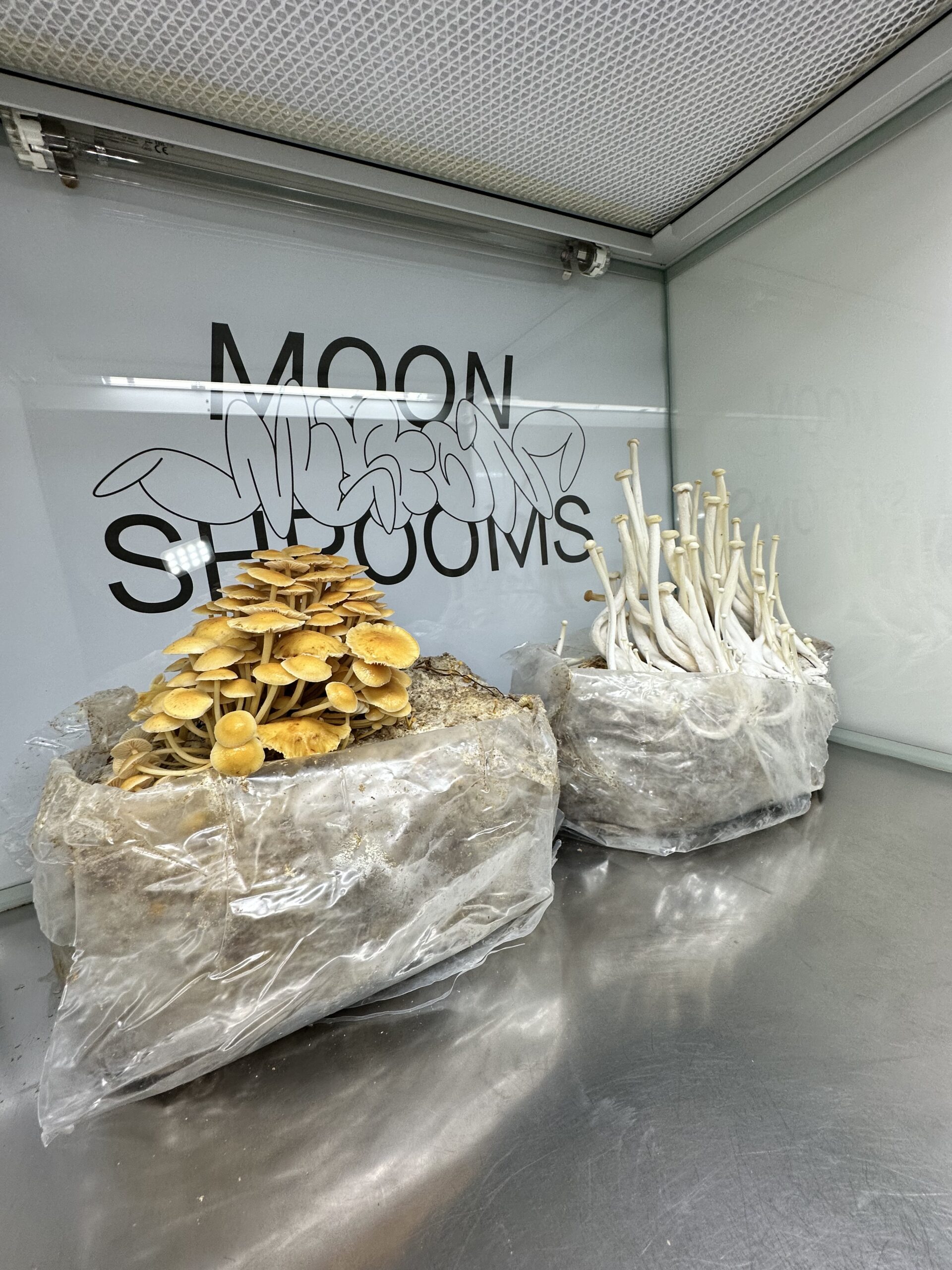
Mnóstwo. Każdy tydzień to nowe wyzwanie, ale staram się trzymać rękę na pulsie i szybko gasić pożary. Szczególnie pamiętam jedno wydarzenie. To było jakieś cztery lata temu, kiedy planowałem duży zbiór soplówki i około trzysta kostek czekało na to aż wyrosną na nich piękne, jędrne grzyby. Przygotowania i inkubacja takiej ilości podłoża to były długie tygodnie pracy. Niestety tego lata trafił się bardzo upalny weekend, wręcz tropikalny. Temperatura nocą też praktycznie nie spadała. Prawie trzydzieści stopni Celsjusza w growroomach, a wysoka wilgotność, której grzyby potrzebują, jeszcze tę temperaturę podnosiła. Klimatyzatory nie dały rady i cała uprawa padła w jedną dobę. Wszystko, co już rosło, musiało niestety trafić na kompost. Straciłem podłoże, które mogłoby wydać ten i jeszcze kolejny plon. Nogi mi się ugięły od tak ogromnej straty, ale ruszyłem od nowa.
Dziś już wiem, że trzeba korzystać z różnych genotypów. Sama moja biblioteka soplówki jeżowatej to kilkanaście szczepów. Jedne świetnie plonują zimą, inne śmieją się z bardzo wysokich temperatur i rosną podręcznikowo. Dzięki temu śpię spokojniej przez cały rok, a mamy lata po czterdzieści stopni i zimy po minus dwadzieścia pięć. Jestem przygotowany na różne scenariusze pogodowe.
Fot. Archiwum prywatne
Czy masz swojego ulubionego grzyba?
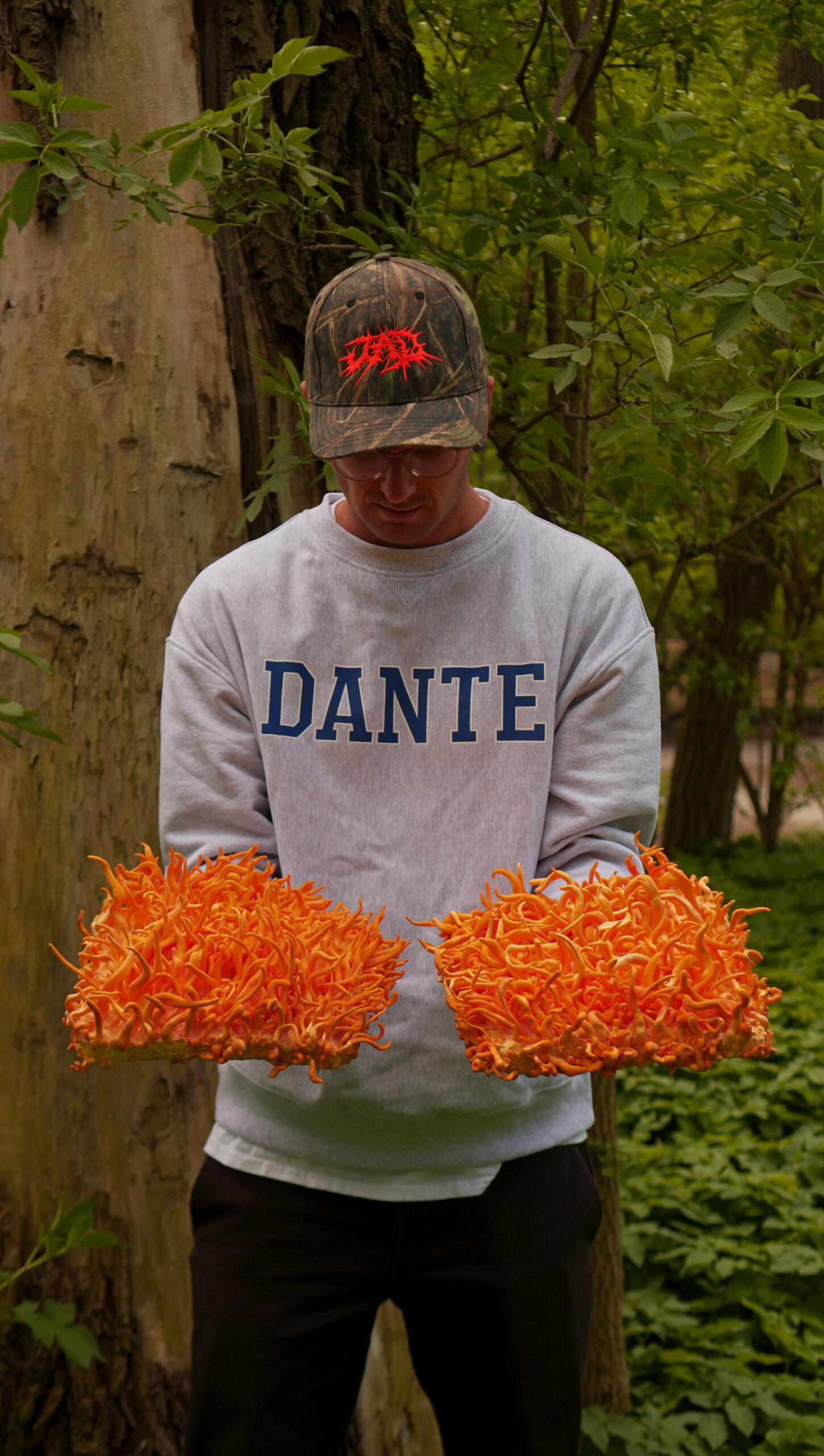
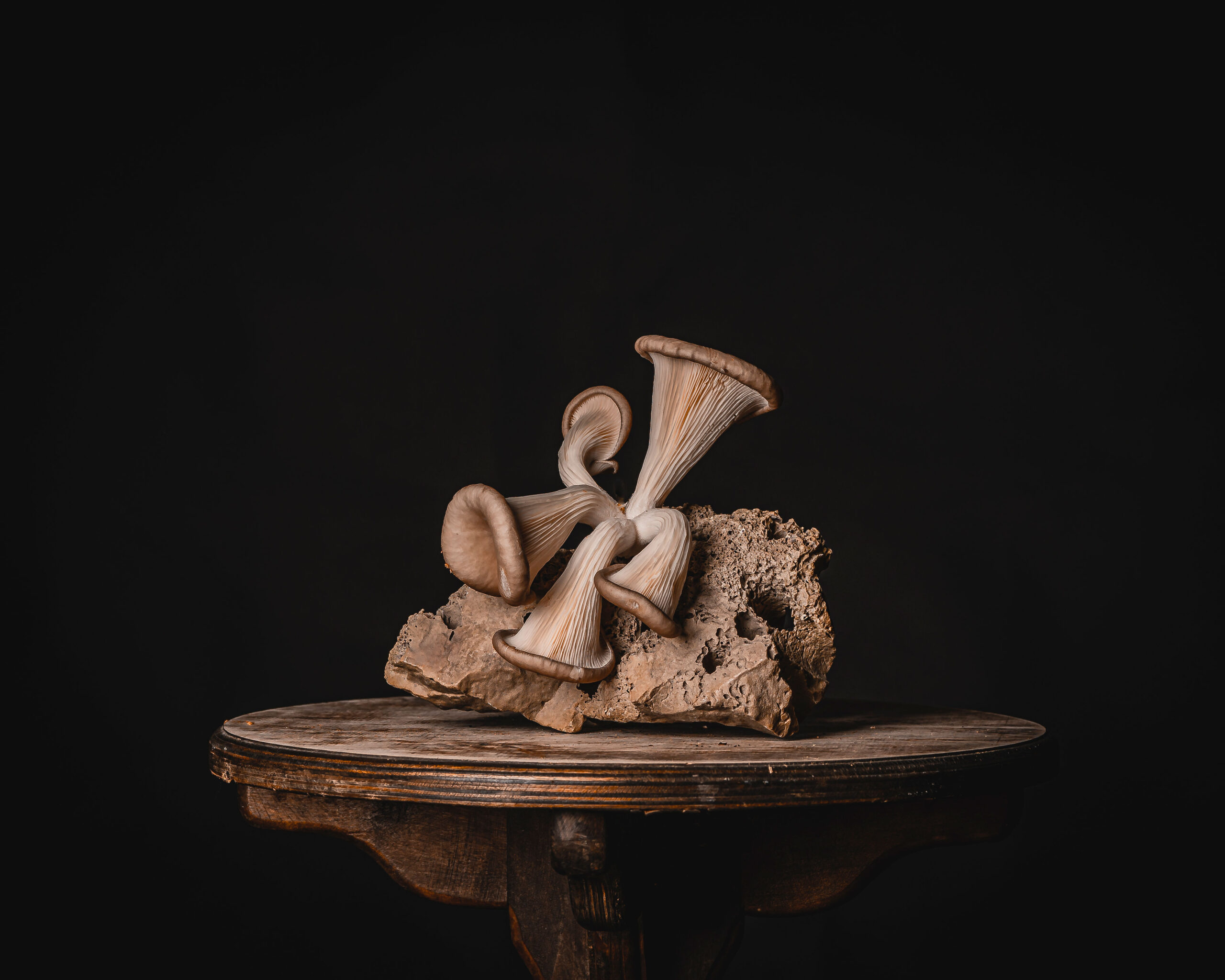
Wiedziałem, że padnie to pytanie, ale szczerze, nie mam na nie jednej konkretnej odpowiedzi, bo każdego grzyba, którego uprawiam, lubię na swój szczególny sposób. Kordycepsa lubię za lekko maślany smak i instant zastrzyk energii. Shiitake za uszlachetnianie zup i bulionów. Przeróżne rodzaje Boczniaków za prostotę w przygotowaniu i uniwersalność w podaniu. Soplówkę Koralową za to, że świetnie smakuje na surowo i wygląda jak logo norweskiej blackmetalowej kapeli.
Wspaniałe okazy

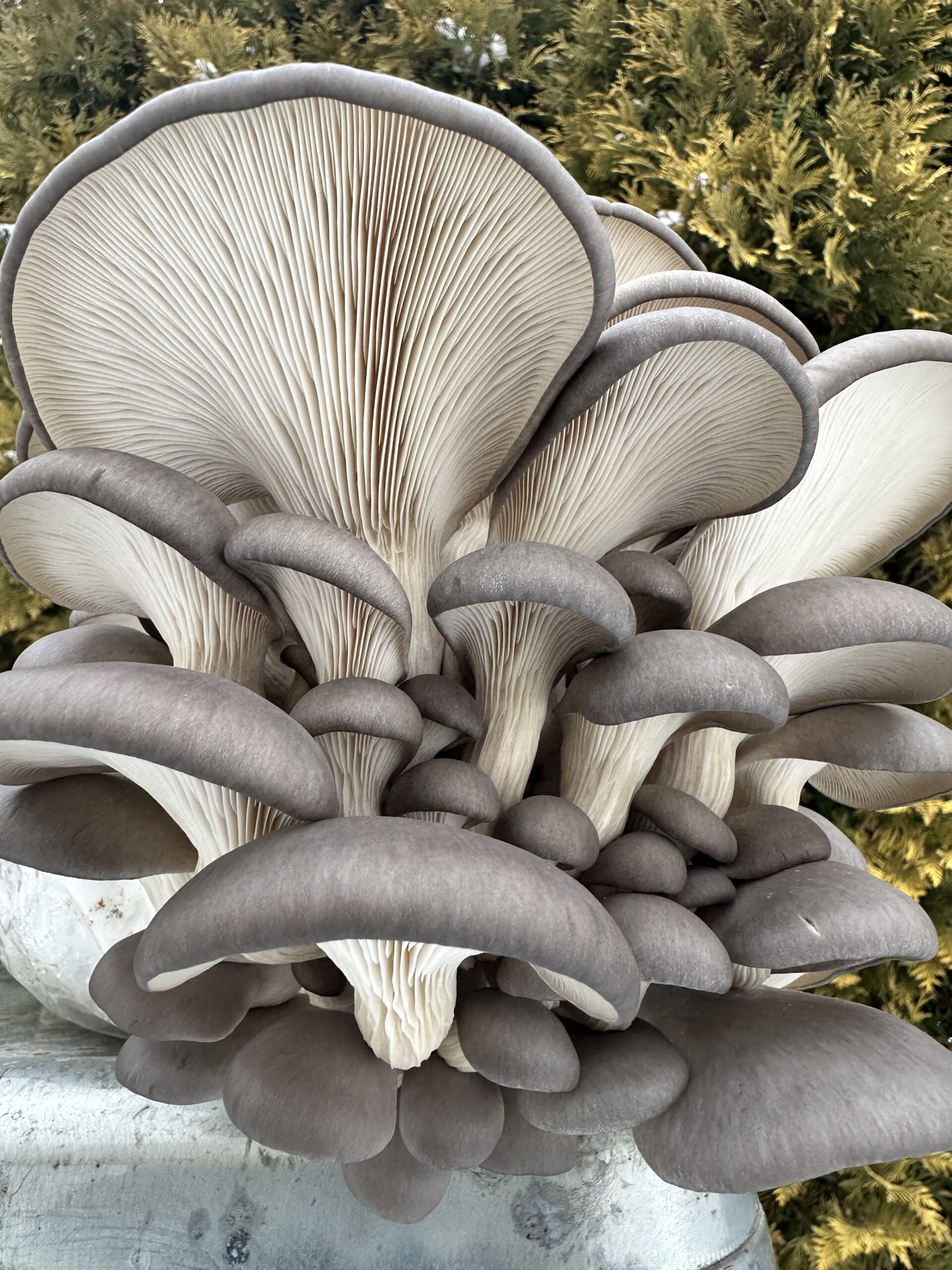
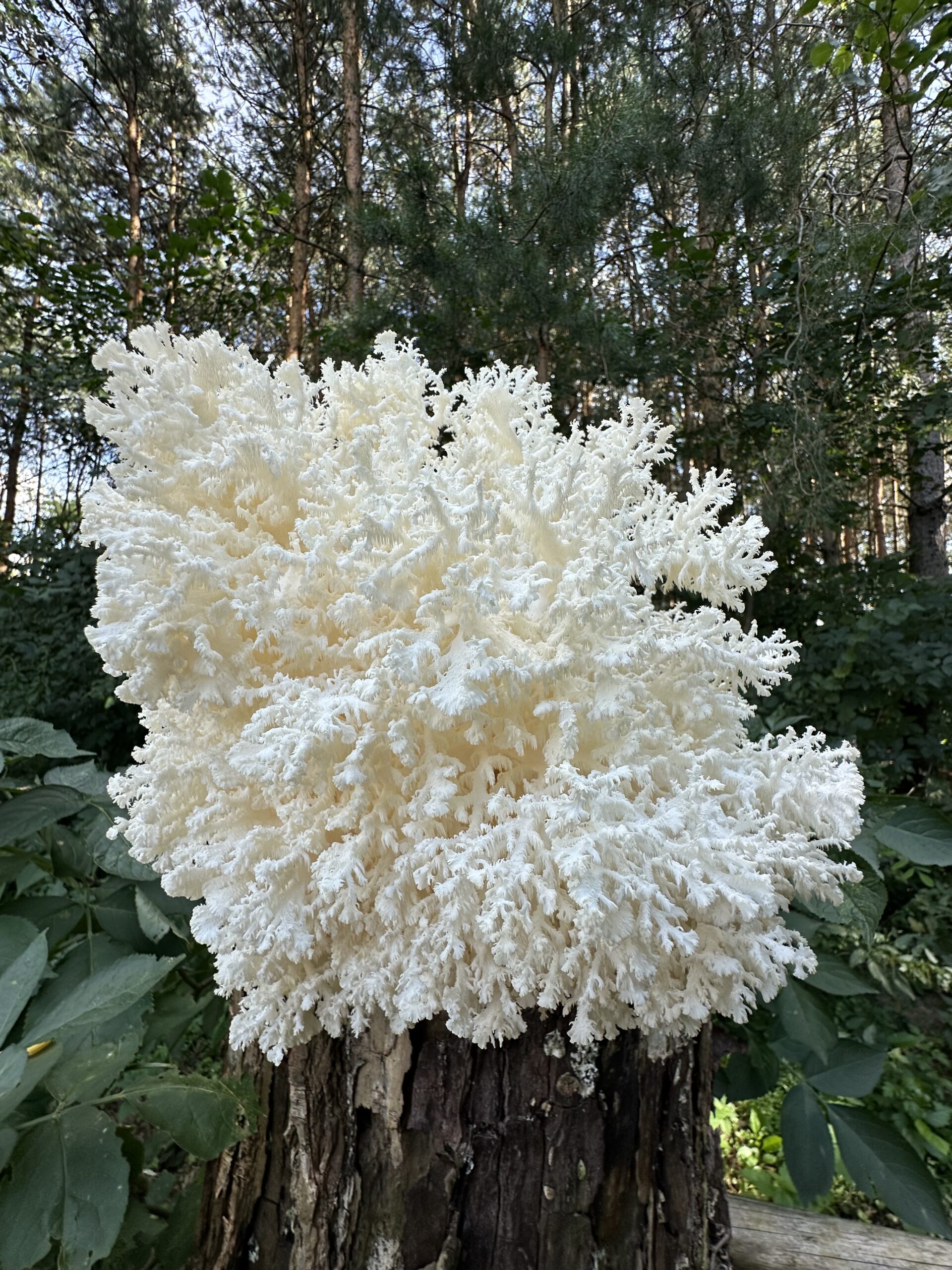
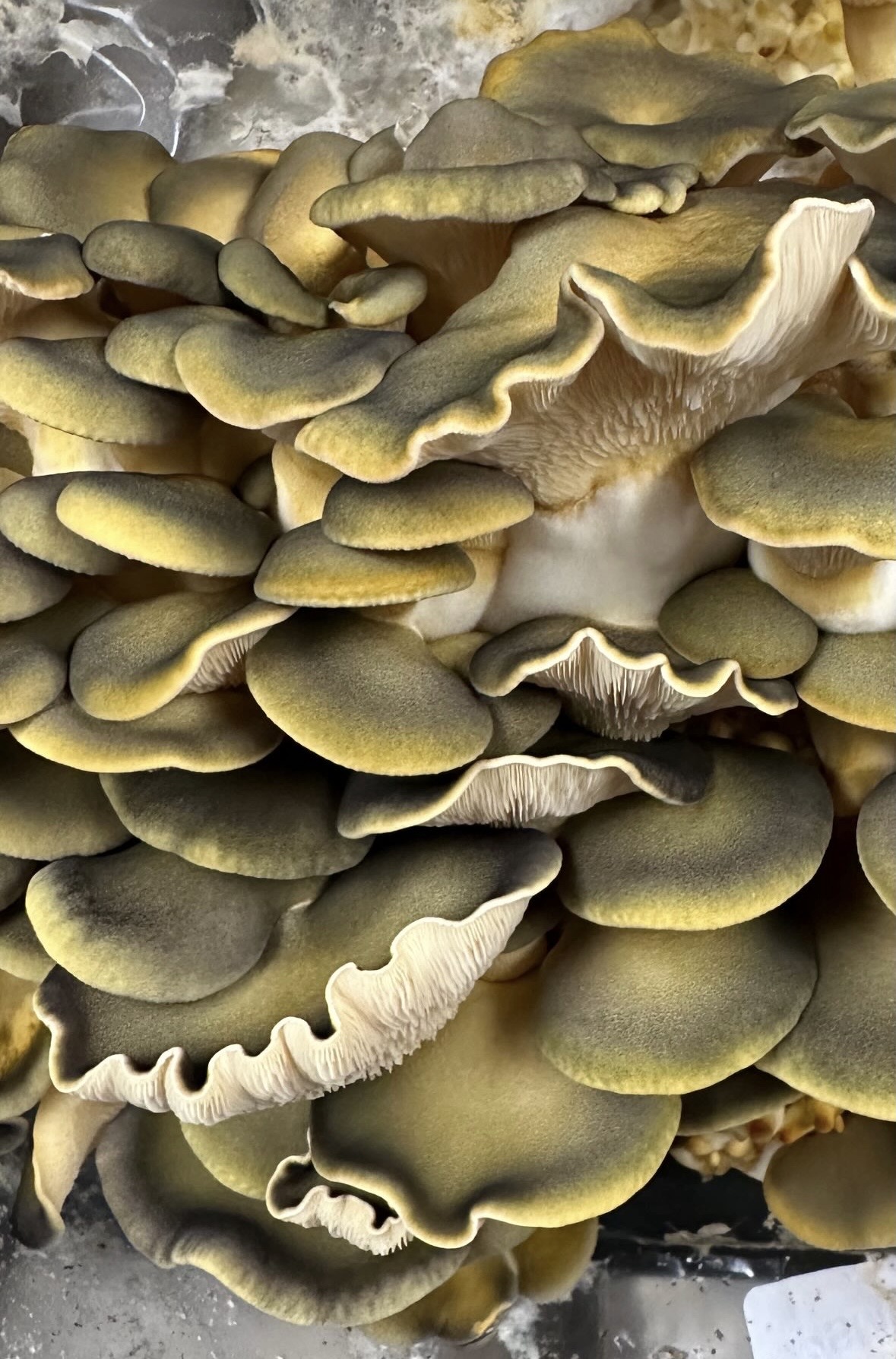
Jak oceniasz świadomość konsumentów? Czy grzyby funkcjonalne wejdą do mainstreamu, czy to wciąż nisza.
Moim zdaniem już w nim są. Wiedza na temat dostępności, właściwości oraz jakości grzybów stale rośnie, co widzę po bardziej szczegółowych i dociekliwych pytaniach od moich klientów. Część z nich dowiedziała się o nich z podróży do Azji, gdzie kultura ich spożywania jest znacznie bardziej rozwinięta. Inni trafili na Shrooma, co skłoniło ich do poszukiwań na własną rękę. W ten sposób odkryli grzyby funkcjonalne i dowiedzieli się, że można je łatwo kupić, a nawet samodzielnie wyhodować w domu.
Kilka lat temu, wspólnie z moimi przyjaciółmi z Joy Studio, stworzyliśmy merch z opisami właściwości grzybów, które uprawiam. To był świetny ruch edukacyjny. Ludzie w zupełnie codziennych sytuacjach, np. w kawiarni lub czekając na autobus, mogli dowiedzieć się czegoś więcej i uświadomić sobie, że grzyby to nie tylko walory smakowe, ale przede wszystkim potężna wartość odżywcza i zdrowotna. Merch ten obiegł cały świat. Mam pełną galerię zdjęć od moich klientów ubranych w tiszerty – od Wielkiego Kanionu w USA, przez krakowski Zakrzówek, Aszram w Indiach, kończąc na Operze w Sydney.
A tradycja? Grzyby mają przecież długą historię.
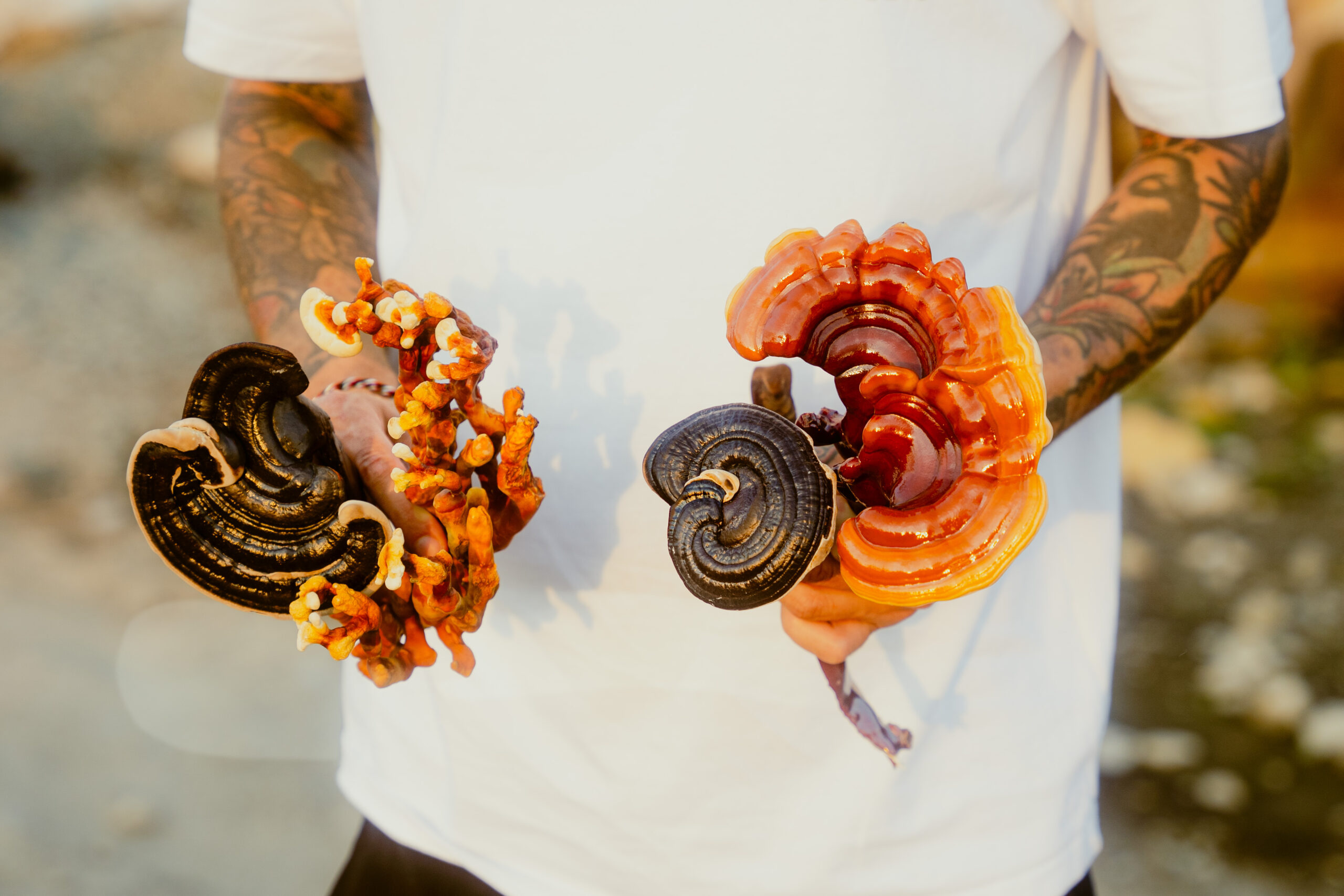
Grzyby towarzyszą nam od zawsze. Historia medycyny Chińskiej, w której użycie grzybów jest ogromne, jest datowana na pięc tysięcy lat. Co miał w swoim podręcznym woreczku człowiek lodu Otzi? Huby, które służyły mu jako naturalny antybiotyk i krzesiwo do odpalania ognia. W Starożytnych Chinach Reishi, czy Cordyceps, były towarem luksusowym, przeznaczonym tylko dla cesarzy jako eliksir nieśmiertelności – są nawet piękne drzeworyty na ten temat. Szamani z Ameryki Środkowej i Syberii, używali ich do mistycznych ceremonii, wchodząc w trans żeby łączyć się z duchami i poszeżać świadomość,
W Polsce zrobiliśmy z grzybobrania sport narodowy. Gdy tylko pojawiają się w lesie pierwsze grzyby, wstajemy wcześnie rano, żeby wyprzedzić sąsiada. Wigilijne potrawy z grzybami to klasyk w każdym domu. Mamy to po prostu w DNA. To nie jest chwilowa zajawka.
A masz ulubione zastosowanie grzybów poza kuchnią?
Grzyby to dla mnie nie tylko jedzenie, ale technologia przyszłości. Z Grzybni produkuje się alternatywę dla skóry zwierzęcej, której wyhodowanie zajmuje tylko kilkanaście dni i zużywa się do tego jedynie ułamek wody i energii potrzebnej przy tradycyjnej hodowli bydła. Ponadto grzyby potrafią neutralizować wycieki ropy, a nawet zjadać wszechobecny plastik.
Co więcej, to genialne adaptogeny, które wspomagają codzienne funkcjonowanie, pomagają w wielu schorzeniach, dają potężne wsparcie dla układu odpornościowego i stymulują mózg do lepszej pracy. W psychiatrii przeżywamy właśnie rewolucję, bo substancje takie jak psylocybina okazują się przełomem w leczeniu głebokiej depresji, czy stanów lękowych.
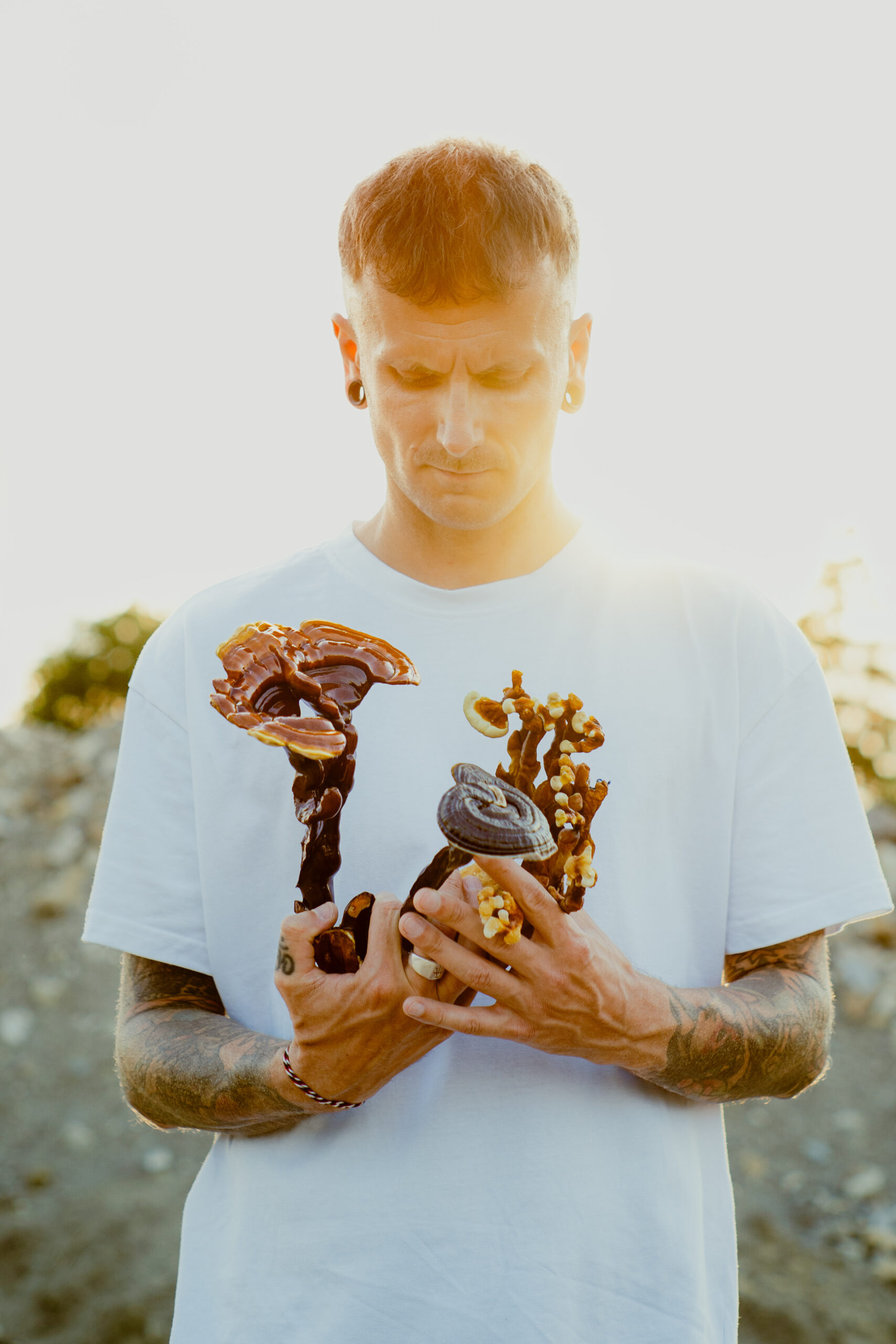
Grzyby to też kozackie medium artysyczne, można próbować robić z nich ciekawe obiekty. Jest taki gość na instagramie Fungi Florist, który w odpowiedni sposób kontroluje warunki uprawowe żeby nadać grzybom Reishi nietuzinkowy ksztalt. To jest mega inspirujące. Mam już za sobą swoje pierwsze podejście do grzybowego bonsai, ale długa droga jeszcze przede mną żeby uzyskać zadowalający efekt.
Da się hodować takie grzyby samemu, w domu?
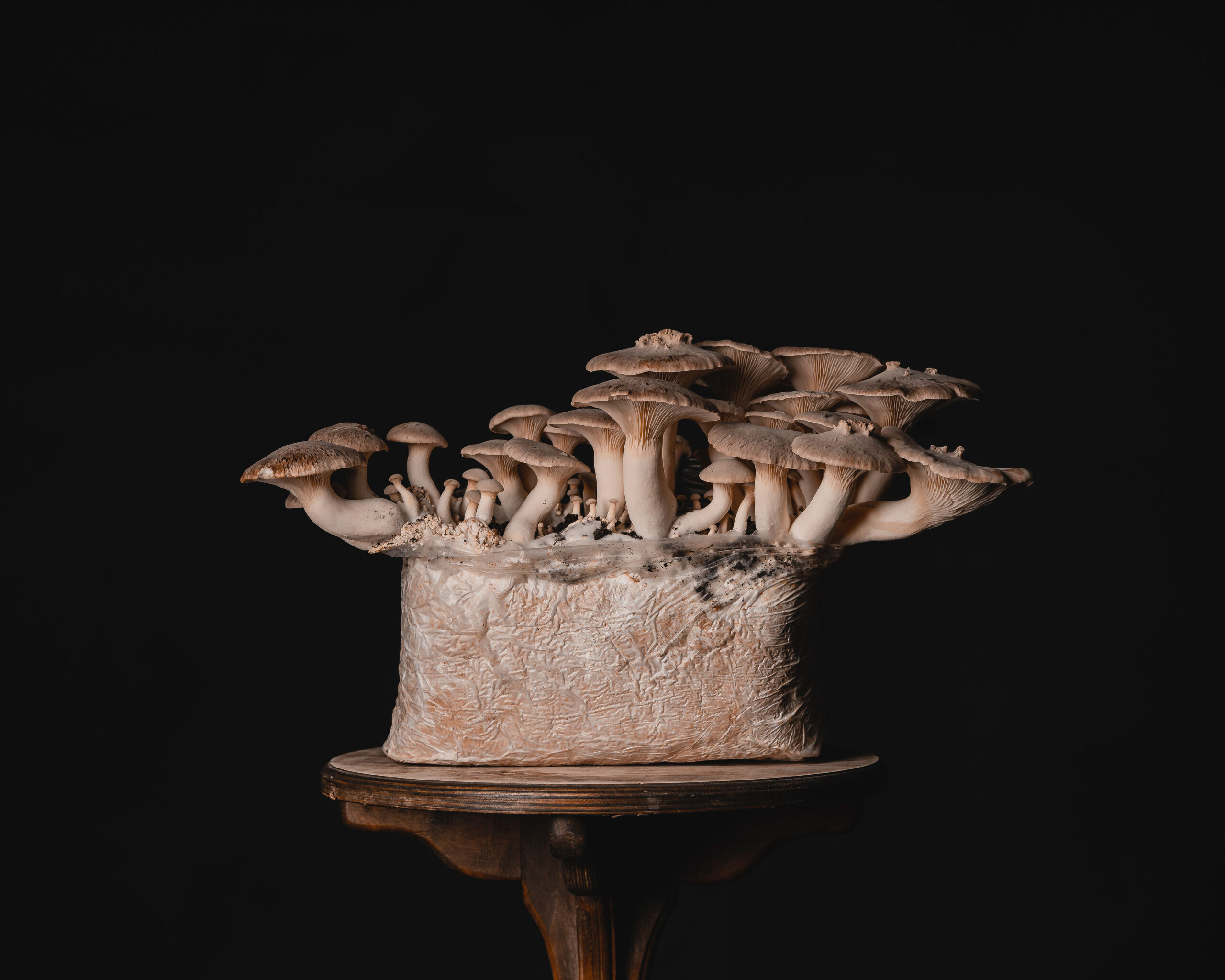
Można, i to jest najlepsza zajawa ever. U mnie możesz zamówić takie podłoże do domowej uprawy. Obserwowanie całego procesu wzrostu daje niesamowity rodzaj ekscytacji. Produkujesz sobie żywność funkcjonalną, a skompostowane pozostałości po uprawie zamieniają się w wysoce odżywczą próchnicę i nawóz organiczny, zamykając ekologiczny obieg w przyrodzie.
Po tylu latach, powiedz dlaczego dalej to robisz?
Po tylu latach wciąż budzę się rano i wiem, że robię dobrą rzecz. Nie ma dla mnie lepszej nagrody niż wiadomości od klientów, że dzięki temu co robię, ograniczyli lub odpuścili jedzenie mięsa. To dodaje mi sił do dalszego działania i rozwoju. Cały czas odkrywam coś nowego, więc najlepsze wciąż przede mną.
Przesłanie do czytelników
Jedzcie więcej grzybów. Wybierajcie tylko sprawdzonych dostawców, którzy pilnują całego procesu od produkcji po dostawę. Bądźcie szczęśliwi i dużo podróżujcie. Życzę wszystkim zdrowia i dużo uśmiechu. One Love
Myślę, że to będzie naprawdę świetna rozmowa. I, no dużo wiedzy przekazałeś, dużo zajawek i bardzo ci dziękuję za to.

Rozmawiała: Kamila Knap
O Dominiku
Dominik Śmigała – zgłębia świat grzybów funkcjonalnych i leczniczych. Fascynuje go ich biologia, historia, potencjał i to, jak wiele pozostaje jeszcze do odkrycia. Oprócz własnej uprawy, która jest fundamentem jego codzienności, dzieli się swoją wiedzą, odczarowuje temat mykologii i pokazuje, że uprawa grzybów w domu może być prosta, fascynująca i dostępna dla każdego. Poza grzybami napędza go sztuka uliczna, kultura tatuażu, litry dobrej kawy i godziny spędzone na słuchaniu muzyki. Jego marzeniem jest świat wolny od cierpienia zwierząt.